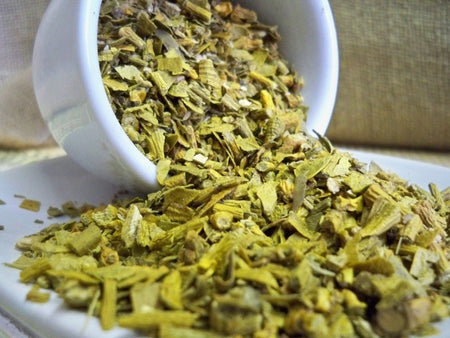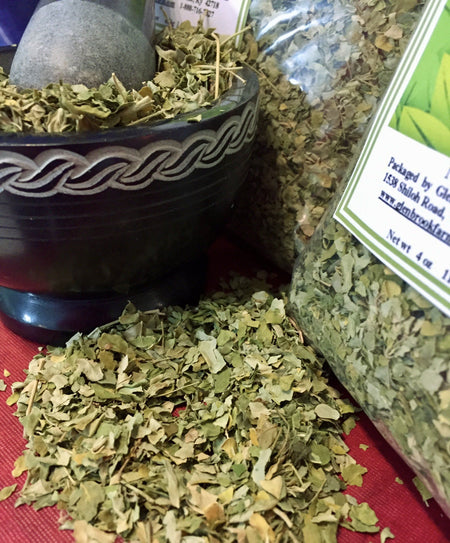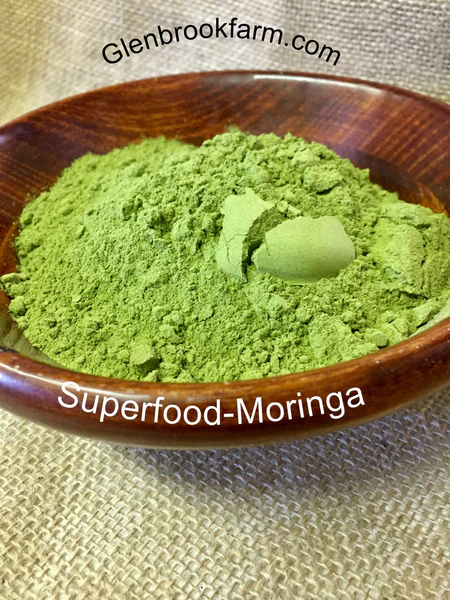
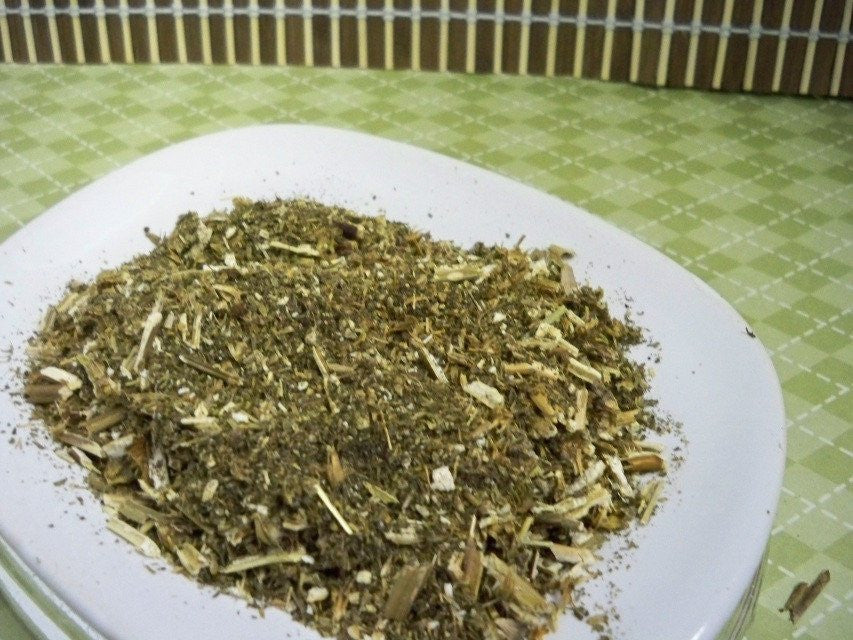
Description
Motherwort Herb
(Leonurus cardiaca)
Motherwort is one of the most evocatively named herbs in the Western botanical tradition — a name that tells its entire history in two words. “Wort” is the Old English word for plant or herb, and “mother” reflects the herb’s centuries-long association with women’s health in European herbal tradition. The species name cardiaca — Latin for “of the heart” — adds the second dimension of its traditional use, giving Leonurus cardiaca a botanical name that translates, in full, as “lion-tailed herb of the heart” (Leonurus from the Greek leon, lion, and oura, tail — a reference to the plant’s shaggy, lion’s-tail-like flower spikes). Few plants in the herbal pharmacopoeia carry their traditional identity so completely in their name.
Leonurus cardiaca is a tall, square-stemmed perennial of the mint family (Lamiaceae) native to central Asia and southeastern Europe, now naturalized across temperate Europe, North America, and much of the world. It grows readily in disturbed ground, roadsides, waste places, and the edges of gardens — a robust, self-seeding plant that once established needs little encouragement. The small, pale pink to lilac flowers are arranged in dense whorls around the square stem, and the deeply lobed, palmate leaves give the plant a distinctive, architectural appearance. It has been cultivated in European monastery and cottage gardens for centuries, and was a staple of the medieval European herbal tradition — documented by Hildegard von Bingen (1098–1179), John Gerard in his Herball (1597), and Nicholas Culpeper in his Complete Herbal (1653).
The herb contains a distinctive array of phytochemicals including leonurine (a guanidine alkaloid unique to Leonurus species — the primary bioactive compound, with documented effects on smooth muscle), stachydrine (proline betaine — also found in citrus), betonicine, turicine, iridoids (leonuridin, leonuride), flavonoids (quercetin, kaempferol, rutin, hyperoside, apigenin, luteolin), phenolic acids (caffeic acid, chlorogenic acid, rosmarinic acid), tannins, volatile oils, ursolic acid, oleanolic acid, and bitter iridoid glycosides. Available in Cut & Sifted and Powder forms.
Product Highlights
- Cut & sifted and powdered herb of Leonurus cardiaca — Motherwort / Lion’s Tail / Throw-wort
- “Lion-tailed herb of the heart” — one of the most descriptively named herbs in the Western tradition
- Documented by Hildegard von Bingen, John Gerard (Herball, 1597), and Nicholas Culpeper (1653)
- A staple of European monastery and cottage gardens for centuries
- Rich in leonurine, stachydrine, quercetin, rutin, rosmarinic acid, and ursolic acid
- Available in Cut & Sifted and Powder forms
How to Use
Herbal Tea: Steep 1 teaspoon of cut & sifted motherwort in 8 oz of hot water for 5–10 minutes; strain. The flavor is distinctly bitter — traditionally sweetened with honey or combined with more palatable herbs such as lemon balm, chamomile, or peppermint. Tincture: Motherwort is most commonly used in alcohol-based tincture preparations, which extract its alkaloids and flavonoids effectively. Herbal Formulas: Traditionally combined with other botanicals in compound herbal formulations — consult a qualified herbal practitioner for guidance. Powder: Encapsulate or blend into herbal formula powders.
Available in Cut & Sifted (4 oz, 8 oz, 16 oz) and Powder (4 oz, 8 oz, 16 oz).
These statements have not been evaluated by the Food and Drug Administration. This product is not intended to diagnose, treat, cure, or prevent any disease. WARNING: Motherwort (Leonurus cardiaca) is a uterine stimulant and must NOT be used during pregnancy — it may cause uterine contractions and miscarriage. Do not use if you are pregnant or trying to conceive. Motherwort contains leonurine and other compounds with cardiac activity — do not use if you have a heart condition, arrhythmia, or are taking heart medications, blood thinners, or sedatives without medical supervision. Not for use while nursing. Consult your healthcare provider before use, especially if you are taking any medications. Keep out of reach of children.
Related products