Description
Meadowsweet Herb
(Filipendula ulmaria)
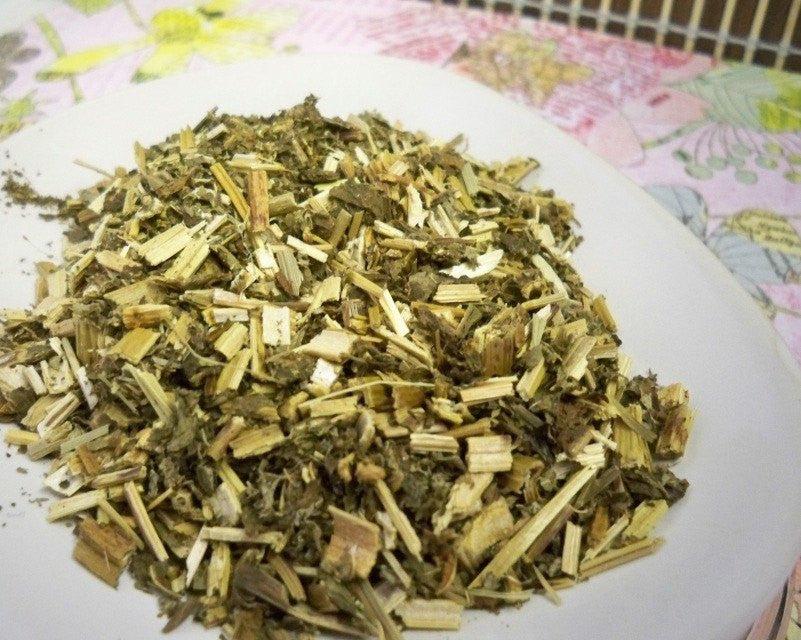
Meadowsweet has one of the most extraordinary stories in the history of medicine — it is, quite literally, the plant that gave the world aspirin. Filipendula ulmaria (formerly classified as Spiraea ulmaria) is a tall, fragrant perennial of the rose family (Rosaceae) native to damp meadows, riverbanks, and marshes across Europe and western Asia — and it is from the old botanical name Spiraea that the word “aspirin” is derived. In 1838, Italian chemist Raffaele Piria first isolated salicylic acid from meadowsweet flowers. In 1853, French chemist Charles Frédéric Gerhardt synthesized acetylsalicylic acid for the first time. And in 1899, Bayer chemist Felix Hoffmann developed a stable, commercially viable form of acetylsalicylic acid — naming it Aspirin, with the “A” for acetyl and “spirin” from Spiraea (meadowsweet). Every aspirin tablet ever swallowed traces its lineage back to this graceful, honey-scented wildflower.
Meadowsweet is one of the most beautiful wildflowers of the European countryside — its tall, feathery plumes of creamy white flowers fill damp meadows and riverbanks with an extraordinary almond-honey fragrance in midsummer. It was one of the three most sacred herbs of the Druids (along with mistletoe and vervain), and in medieval Europe it was a beloved strewing herb — scattered on floors of great halls and churches to perfume the air. Queen Elizabeth I reportedly favored meadowsweet above all other strewing herbs for her royal chambers. It was also used to flavor mead (honey wine) — some historians believe the name “meadowsweet” derives not from “meadow” but from the Old English meodu-swete — “mead sweetener.”
The herb contains a rich array of phytochemicals including salicylates (salicylaldehyde, methyl salicylate, salicylic acid, spiraein — the glycoside from which salicylic acid is derived), flavonoids (quercetin, kaempferol, rutin, hyperoside, avicularin), tannins (ellagitannins, gallotannins), phenolic glycosides, essential oils (responsible for the characteristic almond-honey fragrance), mucilage, ascorbic acid (vitamin C), and coumarins. Available in Cut & Sifted and Powder forms.
Product Highlights
- Cut & sifted and powdered herb of Filipendula ulmaria — Meadowsweet / Queen of the Meadow
- The plant that gave the world aspirin — “aspirin” derives from Spiraea, meadowsweet’s former genus name
- Salicylic acid was first isolated from meadowsweet flowers in 1838 by Raffaele Piria
- One of the three sacred herbs of the Druids — a beloved strewing herb of medieval Europe
- Favored by Queen Elizabeth I — possibly the origin of the name “meadowsweet” from meodu-swete
- Rich in salicylates, quercetin, rutin, ellagitannins, and essential oils
- Available in Cut & Sifted and Powder forms
How to Use
Herbal Tea: Steep 1–2 teaspoons of cut & sifted meadowsweet in 8 oz of hot water for 5–10 minutes; strain. The flavor is delicate, slightly sweet, and faintly almond-like — one of the most pleasant-tasting herbal teas available. Mead & Brewing: Use meadowsweet flowers to flavor homemade mead, beer, and wine — a traditional use dating back centuries. Culinary: Infuse in cream, milk, or simple syrup for desserts, panna cotta, and ice cream — the almond-honey flavor is exquisite in sweet applications. Potpourri & Sachets: Dried meadowsweet retains its delicate fragrance well — use in sachets and potpourri blends. Tincture: Use in alcohol-based tincture preparations. Herbal Blends: Combines well with chamomile, lemon balm, and rose petals in floral herbal tea blends.
Available in Cut & Sifted (4 oz, 8 oz, 16 oz) and Powder (4 oz, 8 oz, 16 oz).
These statements have not been evaluated by the Food and Drug Administration. This product is not intended to diagnose, treat, cure, or prevent any disease. Meadowsweet contains salicylates — compounds related to aspirin. Do not use if you have a sensitivity or allergy to aspirin or salicylates. Do not give to children or teenagers, as salicylate-containing herbs have been associated with Reye’s syndrome. Use with caution if taking blood-thinning medications (including aspirin or warfarin). Not recommended during pregnancy. Consult your healthcare provider before use, especially if you are nursing, taking medications, or have a medical condition. Keep out of reach of children.
Related products