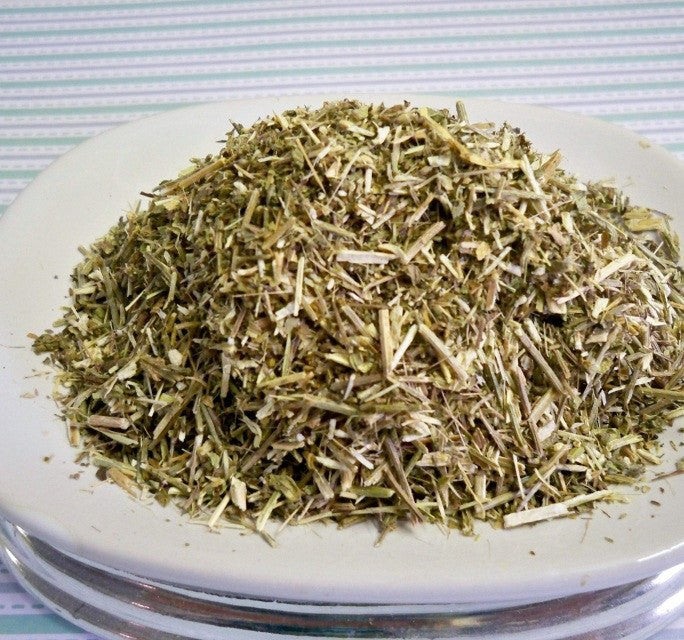
Description
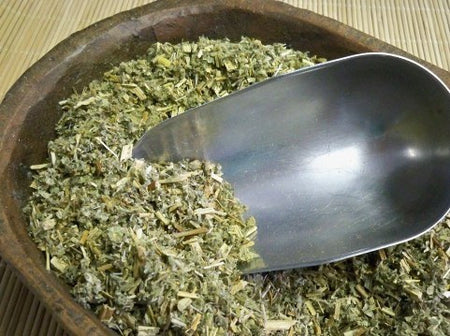
Vervain Herb, Cut & Sifted
(Verbena officinalis)
Verbena officinalis — Vervain, Common Vervain, or Holy Herb — is a slender, erect perennial herb of the family Verbenaceae native to Europe, North Africa, and western Asia, now widely naturalized throughout the temperate world. Verbena officinalis is one of the most mythologically and historically significant plants in the entire botanical world — it was considered sacred by the ancient Romans, the ancient Greeks, the Druids of Celtic Britain and Gaul, and virtually every ancient European culture, and it has been used in botanical, ritual, and magical practice across Europe for at least 3,000 years. The Romans called it herba sacra (sacred herb) or herba veneris (herb of Venus) and used it to purify their altars and temples — Roman ambassadors carried bundles of vervain when negotiating treaties, and Roman soldiers wore vervain amulets into battle. The Druids of Celtic Britain and Gaul considered vervain one of their most sacred plants — alongside mistletoe — and gathered it with elaborate ritual at the rising of the Dog Star (Sirius), when neither sun nor moon was visible, using a sickle of gold and offering honeycomb to the earth in exchange. In medieval European folk magic, vervain was one of the most important protective and magical herbs — it was used in love charms, protective amulets, and divination, and it was believed to ward off evil spirits, witches, and nightmares. The common name “Vervain” derives from the Celtic ferfaen (to drive away stones). The species name officinalis — “of the apothecary’s shop” — reflects its long history of official botanical use. Vervain was listed in the United States Pharmacopeia and has been used in European botanical medicine for centuries, appearing in the works of Dioscorides, Pliny the Elder, and virtually every major European herbalist from the medieval period through the 19th century.
Verbena officinalis herb contains a well-characterized phytochemical profile including iridoid glycosides (the primary bioactive compounds and quality markers — including verbenalin (cornin), hastatoside, aucubin, and eukovoside), phenylethanoid glycosides (including verbascoside (acteoside) — one of the most studied compounds in the plant, isoverbascoside, leucosceptoside A, martynoside, and orobanchoside), flavonoids (including luteolin, apigenin, luteolin-7-glucoside, apigenin-7-glucoside, hispidulin, pectolinarigenin, scutellarein, artemetin, and casticin), phenolic acids (caffeic acid, chlorogenic acid, ferulic acid, p-coumaric acid, protocatechuic acid), tannins, volatile oils (citral, geraniol, limonene, alpha-pinene, linalool), mucilage, saponins, ursolic acid, oleanolic acid, beta-sitosterol, calcium, potassium, magnesium, iron, zinc, and manganese. Available in Cut & Sifted form.
Product Highlights
- Cut & sifted herb of Verbena officinalis — Vervain / Common Vervain / Holy Herb / Herba Sacra
- One of the most mythologically significant plants in the ancient world — sacred to the Romans (herba sacra), ancient Greeks, and Druids of Celtic Britain and Gaul
- Roman ambassadors carried vervain when negotiating treaties; Roman soldiers wore vervain amulets into battle
- The Druids considered vervain one of their most sacred plants — gathered with elaborate ritual at the rising of the Dog Star (Sirius)
- One of the most important protective and magical herbs of medieval European folk tradition
- Primary bioactive compounds: verbenalin, hastatoside, and verbascoside (acteoside) — iridoid glycosides and phenylethanoid glycosides
- Listed in the United States Pharmacopeia; described by Dioscorides, Pliny the Elder, and virtually every major European herbalist
- Available in Cut & Sifted form
How to Use
Herbal Tea (Infusion): Steep 1–2 teaspoons of cut & sifted vervain in 8 oz of hot water for 10–15 minutes; strain. The flavor is mildly bitter and slightly astringent — pleasant with honey and lemon. Herbal Blends: Combines beautifully with lemon balm, passionflower, and chamomile in traditional nervine herbal tea blends. Tincture: Effective alcohol extraction of the iridoid glycosides and phenylpropanoids. Ritual & Botanical Use: A traditional component of European botanical and ritual herb collections — used in sachets, herbal wreaths, and botanical preparations.
Available in Cut & Sifted (2 oz, 4 oz, 8 oz).
These statements have not been evaluated by the Food and Drug Administration. This product is not intended to diagnose, treat, cure, or prevent any disease. Consult your healthcare provider before use if you are pregnant, nursing, taking medications, or have a medical condition. Keep out of reach of children.