Description
White Pine Bark
(Pinus strobus)
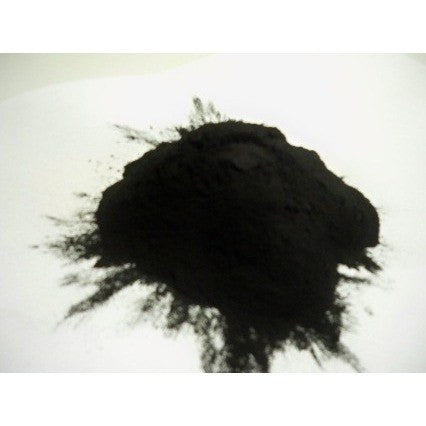
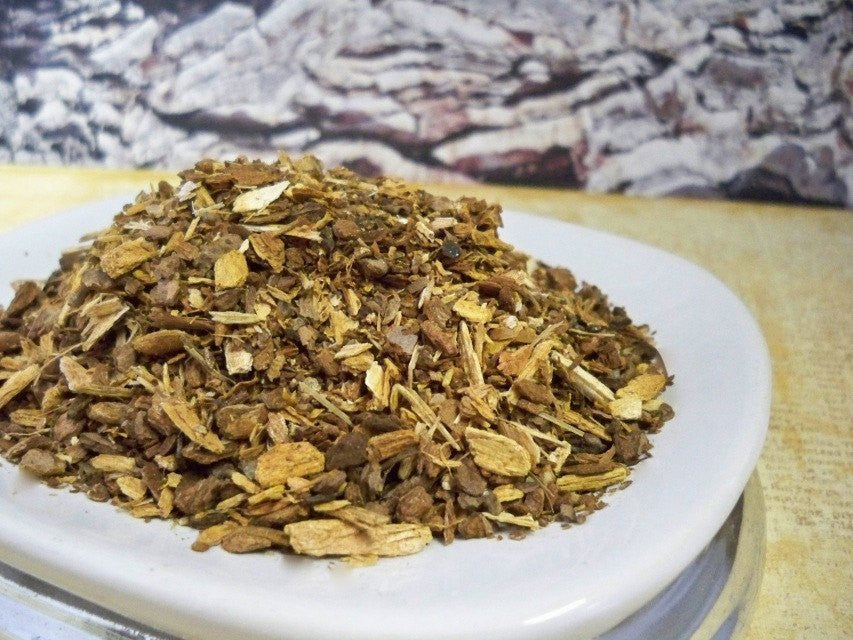
Pinus strobus — Eastern White Pine, Northern White Pine, or Weymouth Pine — is the largest native pine of eastern North America, a towering evergreen conifer of the family Pinaceae native to the Great Lakes region, the Appalachian Mountains, and the northeastern United States and southeastern Canada, where it grows in mixed forests from Newfoundland and Manitoba south to Georgia and Iowa. Pinus strobus was the dominant forest tree of the pre-colonial northeastern North American landscape — old-growth white pines regularly reached 150 to 200 feet in height and 5 to 6 feet in diameter, and the species was so prized by the British Crown for ship masts that the tallest specimens were marked with the King’s Broad Arrow and reserved exclusively for the Royal Navy — a policy that became one of the grievances fueling the American Revolution. The inner bark (cambium layer) of Pinus strobus has one of the longest documented histories of use of any North American tree bark — it was a critical survival and nutritional food for numerous Indigenous nations including the Ojibwe, Algonquin, Iroquois, Abenaki, and Potawatomi, who consumed the inner bark as a food source, prepared it as a tea, and used it in a wide range of traditional applications. The bark is harvested from the inner cambium layer, then dried and milled. Pinus strobus bark is closely related to — and shares many phytochemical constituents with — the French maritime pine bark (Pinus pinaster) from which the commercial extract Pycnogenol® is derived. Our White Pine Bark is available in cut & sifted and powder forms, sourced from Pinus strobus inner bark.
Pinus strobus inner bark contains a well-documented phytochemical profile including proanthocyanidins (oligomeric proanthocyanidins / OPCs — the same class of compounds found in grape seed extract and Pycnogenol®), procyanidins (including procyanidin B1, procyanidin B2, procyanidin B3, and procyanidin C1), catechins (including catechin and epicatechin), taxifolin (dihydroquercetin), quercetin, kaempferol, ferulic acid, caffeic acid, coumaric acid, vanillic acid, protocatechuic acid, gallic acid, resveratrol, pinosylvin, abietic acid, dehydroabietic acid, pimaric acid, alpha-pinene, beta-pinene, limonene, bornyl acetate, camphene, vitamin C, calcium, magnesium, potassium, iron, manganese, zinc, and dietary fiber. Available in Cut & Sifted and Powder forms.
Product Highlights
- Inner bark of Pinus strobus — Eastern White Pine, the largest native pine of eastern North America
- One of the most historically significant North American tree barks — used as a food and botanical by Ojibwe, Algonquin, Iroquois, Abenaki, and Potawatomi peoples for centuries
- The tallest specimens were reserved by the British Crown for Royal Navy ship masts — a policy that became a grievance of the American Revolution
- Rich in oligomeric proanthocyanidins (OPCs) — the same class of compounds found in grape seed extract and the commercial extract Pycnogenol® (Pinus pinaster)
- Contains taxifolin (dihydroquercetin) — a flavonoid also found in Siberian larch and milk thistle
- Rich in procyanidins, catechins, quercetin, ferulic acid, and resveratrol
- Contains naturally occurring alpha-pinene and beta-pinene — the terpenes responsible for the characteristic pine aroma
- Available in Cut & Sifted and Powder forms (2 oz, 4 oz, 8 oz, 16 oz)
How to Use
Decoction (Tea): Simmer 1 teaspoon of cut & sifted bark in 2 cups of water for 20–30 minutes; strain and cool. The flavor is mildly resinous, slightly sweet, and pleasantly piney. Powder: Use ½–1 teaspoon of powder in decoctions or incorporate into herbal blends. Herbal Blends: Pairs well with complementary botanicals such as rose hips, elderberry, or hawthorn berry in custom herbal formulations. Tincture Base: White pine bark is a traditional tincture ingredient; steep in food-grade alcohol per standard tincture ratios. Topical Preparations: Prepare a strong decoction, cool completely, and apply externally as desired. Culinary/Historical Use: The inner bark was traditionally dried and ground into a flour extender or cooked as a food by Indigenous peoples of the Northeast — a practice with deep historical roots in North American food culture.
Available in Cut & Sifted and Powder (2 oz, 4 oz, 8 oz, 16 oz).
Keep out of reach of children. Store in a cool, dry place away from direct sunlight.
These statements have not been evaluated by the Food and Drug Administration. This product is not intended to diagnose, treat, cure, or prevent any disease.