

Description
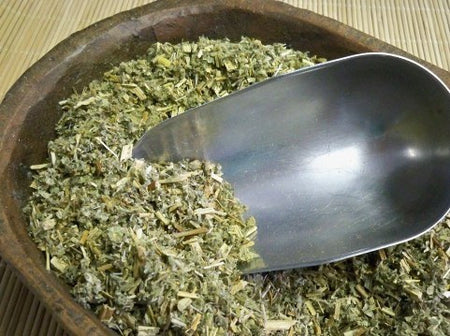
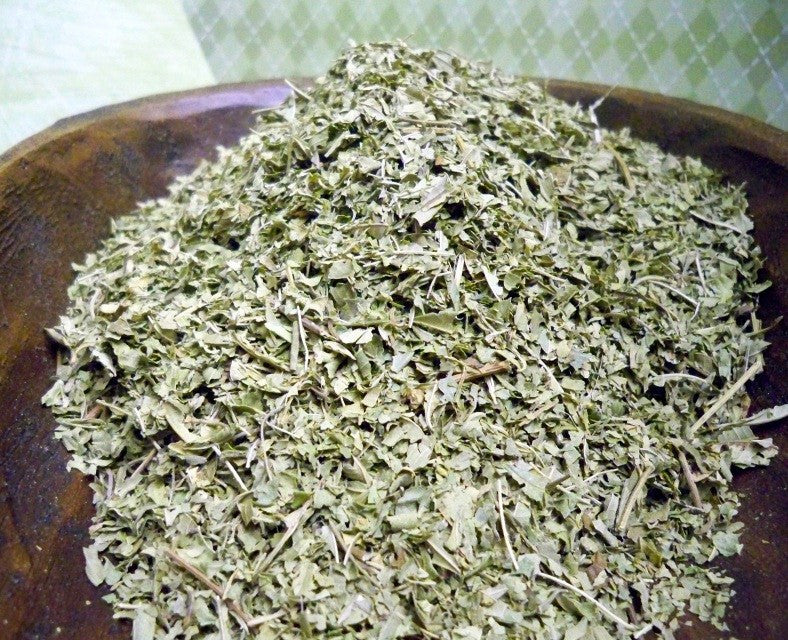
Linden Flowers — Cut & Sifted
(Tilia europaea / Tilia cordata)
The linden tree is one of the most beloved and culturally significant trees in European civilization — a majestic, long-lived deciduous tree of the mallow family (Malvaceae) whose fragrant, honey-scented blossoms have been gathered for tea, medicine, and culinary use for centuries. Tilia europaea (Common Linden) and Tilia cordata (Small-leaved Linden) are the species most widely used in European herbal tradition, native to temperate Europe and western Asia and planted throughout the continent as a beloved ornamental and shade tree. In midsummer, when the linden blooms, the air around these trees becomes intoxicating — a rich, honeyed, almost narcotic sweetness that draws bees from miles around. Linden honey — produced by bees foraging on linden blossoms — is one of the most prized monofloral honeys in the world, pale gold in color with a distinctive minty-floral character.
The linden tree holds a place of profound cultural significance across Europe. In Germanic tradition, the linden (Linde) was the sacred tree of Freya, goddess of love, and village lindens were gathering places for community life — councils, courts, dances, and celebrations were held beneath their shade for centuries. The famous Unter den Linden boulevard in Berlin takes its name from the linden trees that once lined it. In Slavic tradition, the linden is equally sacred — linden imagery permeates Slavic poetry and folk song. In France, linden flower tea — known as tilleul — is one of the most beloved and widely consumed herbal teas in the country, a gentle, fragrant tisane served in homes, pharmacies, and cafés as an evening ritual.
The flowers and bracts contain a rich array of phytochemicals including flavonoids (quercetin, kaempferol, tiliroside, astragalin, rutin), volatile oils (farnesol, geraniol, linalool, eugenol — responsible for the flowers’ exquisite honey-floral fragrance), mucilaginous polysaccharides, tannins, phenolic acids (chlorogenic acid, caffeic acid), p-coumaric acid, tocopherols, and amino acids. Our Linden Flowers are available Cut & Sifted.
Product Highlights
- Cut & sifted flowers and bracts of Tilia europaea / Tilia cordata — Linden / Tilleul / Linde
- One of the most culturally significant trees in European civilization — sacred in Germanic and Slavic traditions
- The source of linden honey — one of the world’s most prized monofloral honeys
- Tilleul is one of the most beloved herbal teas in France — a classic evening tisane
- Rich in quercetin, kaempferol, tiliroside, farnesol, linalool, and mucilaginous polysaccharides
- Exquisite honey-floral fragrance — one of the most beautiful-smelling herbs available
- Available in 4 oz, 8 oz, and 16 oz sizes
How to Use
Herbal Tea / Tisane: Steep 1–2 teaspoons of cut & sifted linden flowers in 8 oz of hot water for 5–10 minutes; strain and sweeten with linden honey for an extraordinary pairing. The flavor is delicate, floral, and gently sweet — one of the most beautiful-tasting herbal teas available. Iced Tea: Brew a strong infusion, cool, and serve over ice with a slice of lemon and a drizzle of honey. Culinary: Use linden flower infusions as a base for syrups, panna cotta, ice cream, and floral desserts. Linden flower syrup is exquisite drizzled over fresh fruit, yogurt, or crêpes. Cocktails & Mocktails: Infuse in simple syrup for cocktails and sparkling water — pairs beautifully with gin, elderflower liqueur, and champagne. Skincare: Brew a strong tea and use as a gentle facial toner or add to homemade lotions and bath products. Potpourri & Sachets: Dried linden flowers retain their delicate fragrance well — use in sachets and potpourri blends.
Available in Cut & Sifted (4 oz, 8 oz, 16 oz).
These statements have not been evaluated by the Food and Drug Administration. This product is not intended to diagnose, treat, cure, or prevent any disease. Consult your healthcare provider before use, especially if you are pregnant, nursing, taking medications, or have a medical condition. Keep out of reach of children.