

Description
Lapacho Tea
(Tabebuia impetiginosa — Pau d’Arco / Taheebo)
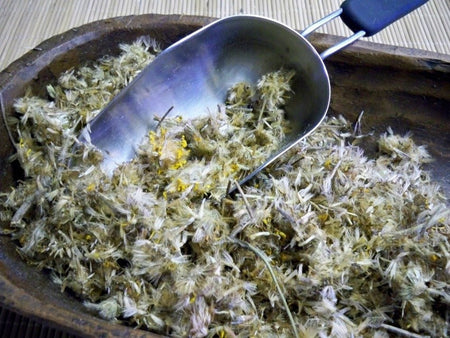
Lapacho is the traditional South American name for the inner bark of Tabebuia impetiginosa — the same botanical sold throughout North America as Pau d’Arco or Taheebo. It is one of the most celebrated and widely consumed botanical teas in South American herbal tradition, with a history of use among Indigenous peoples of the Amazon basin, the Andes, and the Atlantic Forest that predates European contact by centuries. The Incas, the Callawaya healers of Bolivia, and numerous Amazonian peoples prepared decoctions of the inner bark of Tabebuia species as a traditional botanical beverage. The bark was introduced to North American and European herbal markets in the 1960s and 1970s and has remained one of the most recognized South American botanicals in the Western herbal tradition.
Tabebuia impetiginosa is a large, flowering hardwood tree of the family Bignoniaceae native to the tropical and subtropical forests of Central and South America, from Mexico south through the Amazon basin to Argentina. It is one of the most spectacular flowering trees in the Neotropical region, producing masses of vivid pink-purple trumpet-shaped flowers — often blooming before the leaves emerge — and is widely planted as an ornamental throughout the tropics. The inner bark (liber) — the thin layer between the outer bark and the wood — is the part used in botanical preparations.
The inner bark of Tabebuia impetiginosa contains a well-documented phytochemical profile including lapachol (a naphthoquinone — the primary and most studied compound in pau d’arco bark), beta-lapachone, alpha-lapachone, xyloidone, dehydro-alpha-lapachone, tabebuin, quercetin, kaempferol, luteolin, fisetin, velutin, 6-hydroxyluteolin, iridoids, saponins, tannins, coumarin, calcium, potassium, magnesium, iron, and selenium. Lapachol — the signature naphthoquinone of pau d’arco — is one of the most extensively studied phytochemicals in South American botanical medicine.
Preparation Note
Lapacho requires a longer preparation than most herbal teas — the hard inner bark needs time to fully release its phytochemical constituents. Use ½ teaspoon per 8 oz of water. Bring water to a full boil, add the bark, and allow to steep for 20 minutes off the heat. Allow to cool for approximately one hour, then strain. Drink in small amounts throughout the day. The flavor is mild, slightly woody, and earthy — with a faint bitterness characteristic of bark teas.
Keep out of reach of children. Store in a cool, dry place away from direct sunlight. Not for use during pregnancy or nursing. Individuals taking prescription anticoagulant medications should consult a qualified healthcare provider before use — lapachol may interact with blood-thinning medications.
These statements have not been evaluated by the Food and Drug Administration. This product is not intended to diagnose, treat, cure, or prevent any disease.
Related products