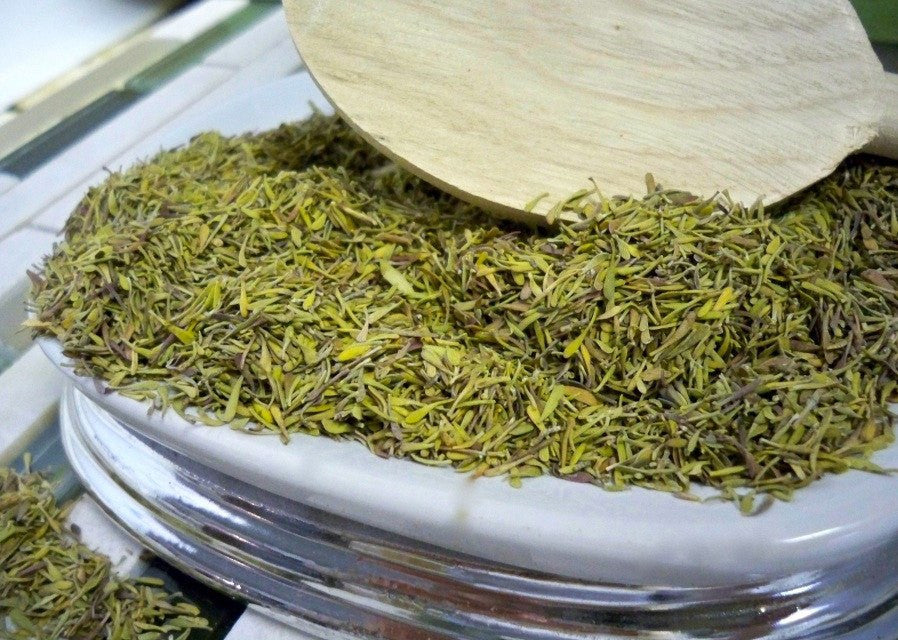
Description
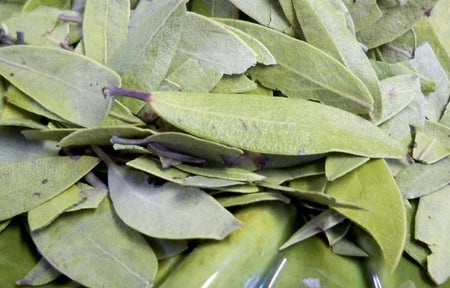
Thyme Leaf, Cut & Sifted
(Thymus vulgaris)
Thymus vulgaris — Common Thyme, Garden Thyme, or French Thyme — is one of the most ancient, widely used, and botanically significant culinary and medicinal herbs in the world, a small, woody, aromatic perennial subshrub of the family Lamiaceae native to the western Mediterranean region — particularly the rocky, sun-baked hillsides of southern France, Spain, and Italy — where it grows wild in the garrigue and maquis scrublands alongside rosemary, lavender, and oregano. Thymus vulgaris has been in continuous use as a culinary, aromatic, and botanical herb for at least 5,000 years — it was used by the ancient Sumerians, ancient Egyptians (who used it in embalming preparations), ancient Greeks, and Romans, and it has been one of the most important herbs in European culinary and botanical tradition from antiquity to the present day. The ancient Greeks burned thyme as incense in their temples — the genus name Thymus is believed to derive either from the Greek thymos (spirit, courage, or soul) or from thyein (to make a burnt offering) — and Greek warriors bathed in thyme-infused water before battle as a symbol of courage. In medieval Europe, ladies embroidered sprigs of thyme onto the scarves of knights going to war as a symbol of bravery, and thyme was one of the most important strewing herbs of the medieval household. Thyme is one of the essential herbs of the French bouquet garni — alongside bay leaf and parsley — and it is a cornerstone of Provençal, Italian, Lebanese, and Caribbean cuisines. The primary bioactive compound of thyme — thymol — was first isolated in 1719 and remains one of the most well-studied and widely used natural antimicrobial compounds in the world, used in mouthwashes, antiseptic preparations, and food preservation.
Thymus vulgaris leaf contains one of the most well-characterized essential oil profiles of any culinary herb, including thymol (the primary phenolic compound — typically 20–54% of the essential oil), carvacrol (typically 1–10%), p-cymene (typically 15–28%), gamma-terpinene (typically 5–10%), linalool, alpha-pinene, beta-pinene, camphene, myrcene, borneol, terpinen-4-ol, alpha-terpineol, and 1,8-cineole (eucalyptol); along with flavonoids (including luteolin, apigenin, naringenin, thymonin, cirsilineol, eriodictyol, luteolin-7-glucoside, and apigenin-7-glucoside), rosmarinic acid (one of the highest concentrations of any herb in the Lamiaceae family), caffeic acid, chlorogenic acid, ursolic acid, oleanolic acid, tannins, saponins, vitamin C, vitamin A (beta-carotene), vitamin K (one of the highest herb sources), vitamin B6, riboflavin, folate, iron, calcium, magnesium, manganese, potassium, zinc, copper, and selenium. Available in Cut & Sifted and Powder forms.
Product Highlights
- Cut & sifted leaf of Thymus vulgaris — Common Thyme / Garden Thyme / French Thyme
- One of the most ancient culinary herbs in the world — used continuously for over 5,000 years by the Sumerians, Egyptians, Greeks, Romans, and throughout European culinary history
- The genus name Thymus derives from the Greek thymos (spirit/courage) — burned as temple incense by the ancient Greeks; a symbol of bravery in medieval Europe
- Primary bioactive compound: thymol — first isolated in 1719, one of the most potent and well-studied naturally occurring antimicrobial phenols
- One of the essential herbs of the French bouquet garni — a cornerstone of Provençal, Italian, Lebanese, and Caribbean cuisines
- Exceptionally rich in rosmarinic acid — among the highest concentrations of any herb in the Lamiaceae family
- Outstanding source of vitamin K, vitamin C, iron, and calcium among dried culinary herbs
- Available in Cut & Sifted and Powder forms
How to Use
Bouquet Garni: Tie thyme with bay leaf and parsley stems and add to soups, stews, braises, and stocks — remove before serving. Roasted Meats: Rub generously onto chicken, lamb, pork, or beef before roasting — thyme’s robust flavor holds up beautifully to high heat. Soups & Stews: Add early in cooking — thyme is one of the few herbs that improves with long cooking times. Roasted Vegetables: Toss root vegetables, potatoes, or mushrooms with olive oil, thyme, and garlic before roasting. Herbes de Provence: A key component of the classic Provençal blend alongside rosemary, savory, marjoram, and lavender. Bread: Incorporate into focaccia, flatbreads, and savory scones. Thyme Tea: Steep 1–2 teaspoons of cut & sifted thyme in 8 oz of hot water for 10 minutes; strain. The flavor is warm, earthy, and aromatic. Infused Oil: Steep in olive oil for 2 weeks for a fragrant thyme oil for cooking and finishing.
Available in Cut & Sifted and Powder (2 oz, 4 oz, 8 oz, 16 oz).
Keep out of reach of children. Store in a cool, dry place away from direct sunlight.
Related products