Description
Wintergreen Herb
(Gaultheria procumbens)
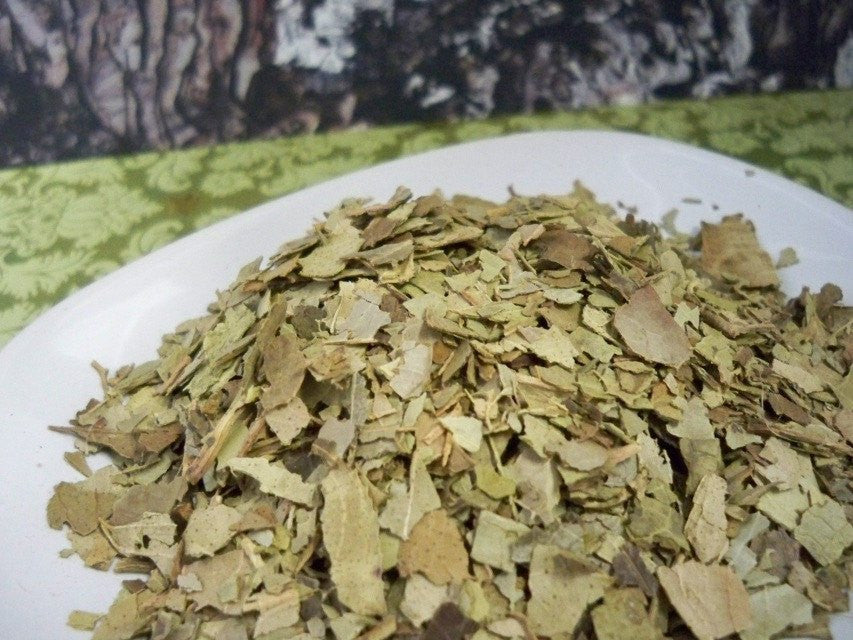
Gaultheria procumbens — Wintergreen, Eastern Teaberry, Checkerberry, or Boxberry — is a low-growing, mat-forming evergreen subshrub of the family Ericaceae native to eastern North America, where it grows as a woodland groundcover from Newfoundland and Manitoba south to Georgia and Alabama, typically in cool, acidic, sandy soils beneath coniferous and mixed hardwood forests. Gaultheria procumbens is one of the most distinctively aromatic native plants of the North American forest — its small, glossy, dark green leaves and bright red berries release an immediately recognizable sharp, sweet, minty fragrance when crushed, owing to the presence of methyl salicylate, the compound responsible for the characteristic “wintergreen” flavor used in candies, chewing gum, mouthwashes, and root beer. The common name “Teaberry” reflects its long history of use as a tea plant — the leaves were brewed as a beverage tea by numerous Indigenous nations including the Ojibwe, Iroquois, Potawatomi, and Algonquin, and the practice was adopted by European colonists, particularly during the American Revolution when it served as a substitute for imported black tea. The bright red berries are edible and were a traditional trail food and flavoring ingredient. Gaultheria procumbens was the original natural source of wintergreen flavor before synthetic methyl salicylate became commercially available in the late 19th century. Our Wintergreen Herb is the dried leaf of Gaultheria procumbens, offered for use as a culinary flavoring and aromatic tea herb.
Gaultheria procumbens leaf contains a well-documented phytochemical profile centered on methyl salicylate (the primary volatile compound — typically 96–99% of the essential oil, responsible for the characteristic wintergreen aroma and flavor), along with gaultherin (a glycoside that hydrolyzes to methyl salicylate upon processing), salicylic acid, salicin, arbutin, hydroquinone, ursolic acid, oleanolic acid, betulinic acid, quercetin, kaempferol, hyperoside, catechins, tannins, mucilage, vitamin C, vitamin A (beta-carotene), calcium, magnesium, potassium, iron, and manganese. Available in Cut & Sifted form.
⚠️ Safety Note: Wintergreen leaf and its primary compound, methyl salicylate, are potent and must be used with care. Methyl salicylate is rapidly absorbed through the skin and mucous membranes. Wintergreen products should not be used by individuals with aspirin sensitivity or salicylate intolerance. Keep out of reach of children — even small amounts of concentrated wintergreen can be harmful to children. Do not use during pregnancy or nursing without consulting a qualified healthcare provider. For external use preparations, use only in very dilute concentrations. This product is the dried herb leaf intended for use as a culinary flavoring tea in traditional, moderate amounts — it is not an essential oil or concentrated extract.
Product Highlights
- Dried leaf of Gaultheria procumbens — Wintergreen / Eastern Teaberry / Checkerberry, a native North American woodland evergreen
- The original natural source of wintergreen flavor — used in candies, chewing gum, mouthwashes, and root beer before synthetic methyl salicylate became commercially available
- Primary aromatic compound: methyl salicylate (96–99% of the essential oil) — the compound responsible for the universally recognized wintergreen scent and flavor
- Brewed as a beverage tea (“Teaberry tea”) by Ojibwe, Iroquois, Potawatomi, and Algonquin peoples; adopted by colonists as a Revolutionary War-era substitute for imported black tea
- Bright red berries are edible and were a traditional trail food and flavoring ingredient in North American food culture
- Contains arbutin, ursolic acid, quercetin, kaempferol, and tannins
- Available in Cut & Sifted form (2 oz, 4 oz, 8 oz, 16 oz)
How to Use
Teaberry Tea: Steep 1 teaspoon of dried wintergreen leaf in 8 oz of hot (not boiling) water for 10–15 minutes; strain. The flavor is distinctly sweet, minty, and aromatic — characteristic of the classic wintergreen candy flavor. Use in moderation. Flavoring: Add small amounts of dried leaf to herbal tea blends for a wintergreen flavor note — pairs well with peppermint, spearmint, and lemon balm. Culinary Flavoring: A small pinch of dried wintergreen leaf can be used to flavor syrups, confections, or baked goods in the tradition of Teaberry flavoring. Aromatic Potpourri: The dried leaves retain their characteristic aroma and can be used in aromatic blends and potpourri.
Available in Cut & Sifted (2 oz, 4 oz, 8 oz, 16 oz).
Keep out of reach of children. Not recommended for individuals with aspirin sensitivity or salicylate intolerance. Do not use during pregnancy or nursing without consulting a qualified healthcare provider. Store in a cool, dry place away from direct sunlight.
These statements have not been evaluated by the Food and Drug Administration. This product is not intended to diagnose, treat, cure, or prevent any disease.
Related products