Description
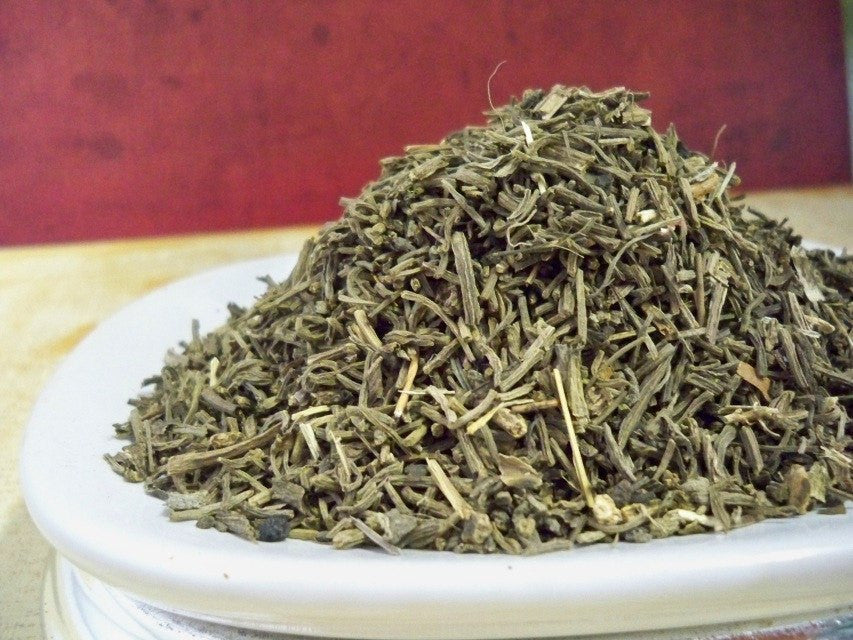
Valerian Root, Cut & Sifted
(Valeriana officinalis)
Valeriana officinalis — Valerian, Garden Valerian, or All-Heal — is a tall, robust perennial herb of the family Caprifoliaceae native to Europe and parts of Asia, now widely naturalized in North America, where it grows in moist meadows, riverbanks, and disturbed soils. Valeriana officinalis has been one of the most important and widely used botanical herbs in European medicine for over 2,000 years — it was used by the ancient Greeks and Romans, described by Hippocrates and Dioscorides, and it has been in continuous use in European botanical practice from antiquity through the present day. The genus name Valeriana is believed to derive from the Latin valere (to be strong or healthy) — the same root that gives us the words “valor” and “valiant” — though some scholars suggest it may honor the Roman emperor Publius Licinius Valerianus. The species name officinalis — “of the apothecary’s shop” — is the standard Linnaean designation for plants with a long history of official medicinal use. Valerian root has one of the most distinctive and immediately recognizable aromas in the botanical world — the dried root develops a powerful, earthy, somewhat pungent odor from the enzymatic conversion of its iridoid compounds (particularly valepotriates) to isovaleric acid during the drying process. This characteristic aroma is famously attractive to cats — valerian root is one of the few plants that produces a catnip-like response in domestic cats, due to the compound actinidine, which mimics feline pheromones. Valerian was one of the most important herbs of medieval European monastic medicine, cultivated in virtually every monastery garden, and it was listed in the United States Pharmacopeia from 1820 to 1942.
Valeriana officinalis root contains one of the most complex and well-characterized phytochemical profiles of any European botanical, including valepotriates (bicyclic monoterpene iridoid esters — the primary unstable bioactive compounds of the fresh root, including valtrate, isovaltrate, acevaltrate, didrovaltrate, and homovaltrate — these decompose during drying to form baldrinal and homobaldrinal), sesquiterpenes (including valerenic acid — the principal quality marker of dried valerian root and standardized extracts, acetoxyvalerenic acid, hydroxyvalerenic acid, valeranone, valerenal, kessyl glycol, kessane, and beta-bisabolene), isovaleric acid (responsible for the root’s characteristic pungent odor), flavonoids (including linarin, hesperidin, 6-methylapigenin, luteolin, quercetin, and apigenin), lignans (pinoresinol and hydroxypinoresinol), alkaloids (actinidine, chatinine, valerianine — trace amounts), GABA (gamma-aminobutyric acid — present in aqueous extract), glutamine, beta-sitosterol, caffeic acid, chlorogenic acid, tannins, resin, calcium, potassium, magnesium, iron, zinc, and manganese. Available in Cut & Sifted and Powder forms.
Product Highlights
- Cut & sifted root of Valeriana officinalis — Valerian / Garden Valerian / All-Heal
- One of the most important botanical herbs in European medicine for over 2,000 years — described by Hippocrates and Dioscorides; listed in the US Pharmacopeia from 1820 to 1942
- The genus name Valeriana derives from the Latin valere (to be strong) — the same root as “valor” and “valiant”
- The species name officinalis — “of the apothecary’s shop” — reflects its centuries of official botanical use
- Primary quality marker: valerenic acid — the principal sesquiterpene of dried valerian root and the standard for extract standardization
- The characteristic pungent aroma of dried valerian root comes from isovaleric acid — formed by enzymatic conversion of valepotriates during drying
- Famously attractive to cats — the compound actinidine in valerian root mimics feline pheromones, producing a catnip-like response
- Available in Cut & Sifted and Powder forms
How to Use
Herbal Tea (Decoction): Simmer 1–2 teaspoons of cut & sifted valerian root in 8 oz of water for 15 minutes; strain. The flavor is strongly earthy, bitter, and pungent — traditionally sweetened with honey or blended with lemon balm, passionflower, or chamomile to balance the flavor. Tincture: Pack cut & sifted root into a jar, cover with 80-proof vodka, and macerate for 4–6 weeks; strain. Herbal Blends: A traditional component of nervine herbal tea blends — combines with lemon balm, passionflower, hops, and skullcap. Powder: Encapsulate or blend into herbal formulas. Catnip Alternative: Valerian root is an effective catnip alternative for cats — place a small amount in a cloth sachet for feline enrichment.
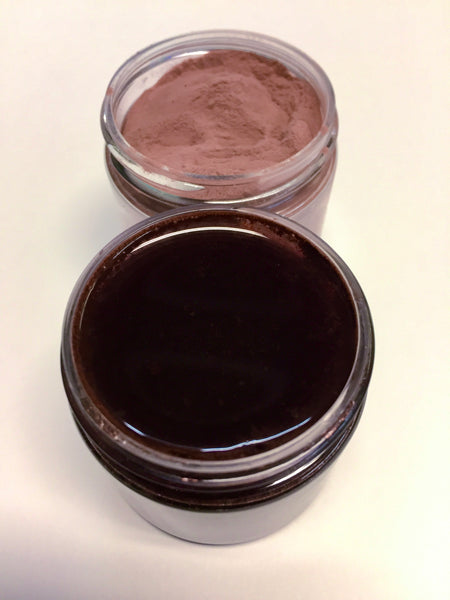
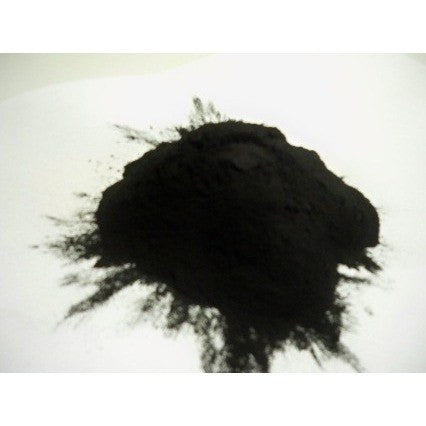
Available in Cut & Sifted and Powder (2 oz, 4 oz, 8 oz, 16 oz).
These statements have not been evaluated by the Food and Drug Administration. This product is not intended to diagnose, treat, cure, or prevent any disease. Consult your healthcare provider before use if you are pregnant, nursing, taking medications (particularly sedatives, anti-anxiety medications, or other CNS depressants), or have a medical condition. Keep out of reach of children.