Description
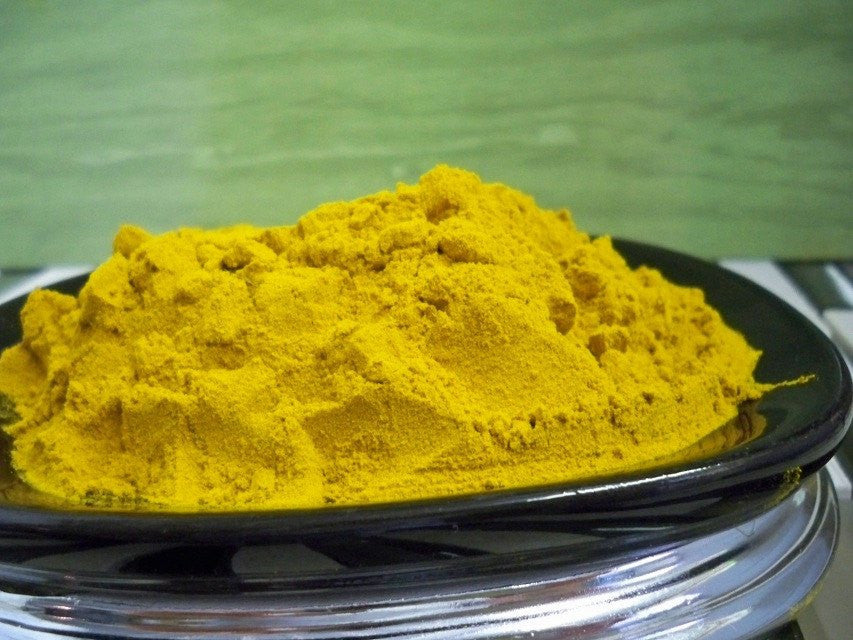
Turmeric, Ground
(Curcuma longa)
Curcuma longa — Turmeric, Indian Saffron, or Haldi — is one of the most ancient, widely used, and extensively studied spices in the world, a rhizomatous perennial herb of the family Zingiberaceae (the ginger family) native to the Indian subcontinent and Southeast Asia, cultivated throughout tropical Asia, Central America, and Africa, with India accounting for approximately 75–80% of global production. Curcuma longa has been cultivated and used in South Asia for at least 4,000 years — it is one of the foundational spices of Indian cuisine and one of the most important herbs in Ayurveda (Indian traditional medicine), where it is known as Haldi (हल्दी) or Haridra (हरिद्रा) and has been used continuously for millennia as a culinary spice, textile dye, ritual herb, and botanical preparation. Turmeric is also one of the most important spices in Traditional Chinese Medicine (TCM), where it is known as Jiāng Huáng (姜黄), and it has been used in the traditional medicine systems of Southeast Asia, the Middle East, and East Africa for centuries. The genus name Curcuma derives from the Arabic kurkum (كركم) — saffron — a reference to the spice’s brilliant golden-yellow color, which has been used as a textile dye, food colorant, and ritual pigment across Asia for thousands of years. Turmeric is the spice that gives curry powder its characteristic golden color, and it is one of the defining flavors of South Asian, Southeast Asian, Middle Eastern, and Caribbean cuisines. Curcuma longa is currently one of the most extensively researched plants in the world, with thousands of published studies examining its phytochemical profile, particularly its primary bioactive compound curcumin.
Curcuma longa rhizome contains one of the most well-characterized phytochemical profiles of any culinary spice, most notably curcuminoids — comprising approximately 2–9% of dry rhizome weight — including curcumin (diferuloylmethane — the principal curcuminoid, typically 77% of total curcuminoids, responsible for turmeric’s characteristic golden-yellow color and one of the most studied polyphenols in the plant kingdom), demethoxycurcumin (typically 17%), and bisdemethoxycurcumin (typically 3%); along with volatile oils (3–7% of dry weight) including turmerone (alpha-, beta-, and ar-turmerone — the primary sesquiterpene ketones), zingiberene, curlone, alpha-phellandrene, sabinene, cineole, borneol, alpha-pinene, limonene, and terpinolene; starch (approximately 30–40% of dry weight), proteins (approximately 8%), dietary fiber, flavonoids (quercetin, kaempferol, luteolin), phenolic acids (caffeic acid, ferulic acid, p-coumaric acid), phytosterols (beta-sitosterol, stigmasterol, campesterol), vitamin C, vitamin B6, niacin, riboflavin, folate, potassium, iron, manganese (one of the richest spice sources), magnesium, calcium, copper, zinc, and phosphorus. Available in Ground form.
Product Highlights
- Ground rhizome of Curcuma longa — Turmeric / Indian Saffron / Haldi / Haridra
- Native to the Indian subcontinent — cultivated and used in Ayurveda for at least 4,000 years; India produces 75–80% of the world’s supply
- The genus name Curcuma derives from the Arabic kurkum (كركم — saffron) — a reference to the spice’s brilliant golden-yellow color
- The spice that gives curry powder its characteristic golden color — one of the defining flavors of South Asian, Southeast Asian, Middle Eastern, and Caribbean cuisines
- Primary bioactive compounds: curcuminoids — curcumin, demethoxycurcumin, and bisdemethoxycurcumin — comprising 2–9% of dry rhizome weight
- Curcumin is one of the most extensively studied polyphenols in the plant kingdom — thousands of published studies
- Exceptionally rich in manganese and iron among culinary spices
- Available in Ground form
How to Use
Curry & Spice Blends: The essential ingredient in curry powder, garam masala, and countless South Asian spice blends. Rice: Add ½ teaspoon to rice cooking water for golden turmeric rice — a staple across South Asia and the Middle East. Soups & Stews: Stir into lentil soups, vegetable stews, and broths. Roasted Vegetables: Toss cauliflower, potatoes, or chickpeas with turmeric, cumin, and olive oil before roasting. Eggs: Add a pinch to scrambled eggs for color and flavor. Smoothies: Blend a small amount into fruit smoothies. Pickling: A traditional ingredient in pickles and chutneys. Natural Dye: Turmeric produces a vivid golden-yellow dye — used for centuries to color textiles and foods.
Golden Milk (Traditional Recipe)
Warm 1 cup of milk (dairy, coconut, or almond) over low heat. Add 2 tsp turmeric, 1 cardamom pod (crushed), 1–2 cloves (crushed), 1–2 black peppercorns (crushed — black pepper significantly enhances curcumin absorption), and a pinch of cinnamon. Stir well and sweeten with honey or maple syrup. A pinch of cayenne is a wonderful addition. Drink warm — a beloved traditional preparation across South Asia.
Available in Ground (2 oz, 4 oz, 8 oz, 16 oz).
Keep out of reach of children. Store in a cool, dry place away from direct sunlight. Note: turmeric stains fabric, surfaces, and skin intensely — handle with care.