Description
Spinach Powder
(Spinacia oleracea)
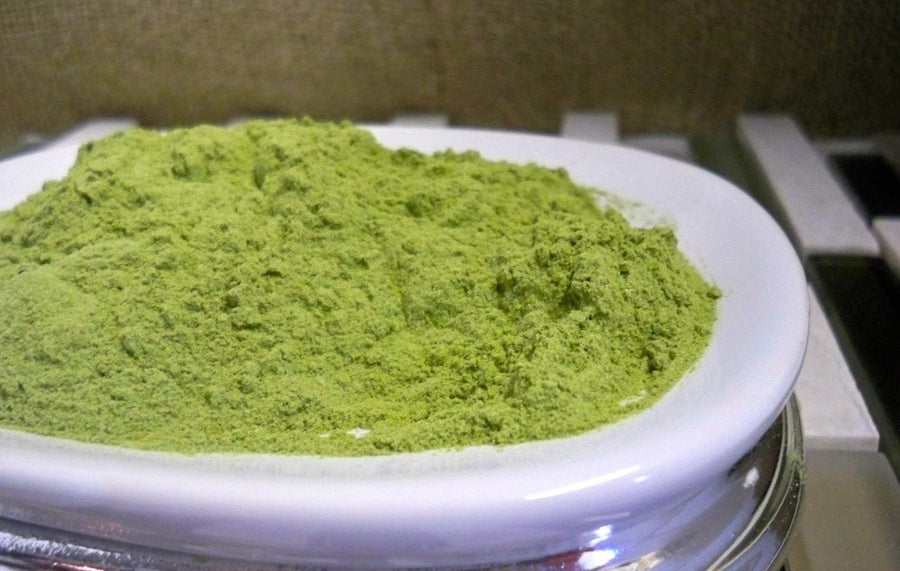
Spinacia oleracea — Spinach — is one of the most nutritionally celebrated leafy vegetables in the world, an annual flowering plant of the family Amaranthaceae native to central and western Asia, most likely originating in ancient Persia (modern Iran and neighboring regions), where it has been cultivated for at least 2,000 years. Spinach was introduced to China in the 7th century AD (where it is still known as bōcài — 菠菜, “Persian vegetable”), to the Arab world by the 10th century, and to Europe via the Moorish conquest of Spain in the 11th century — where it quickly became one of the most important vegetables of medieval European cuisine. The genus name Spinacia derives from the Latin spina (thorn or spine) — a reference to the spiny seed cases of some varieties. Spinach became one of the most important vegetables in European and American cuisine, and its reputation as an extraordinary source of iron — though famously overstated due to a decimal point error in an 1870 German study that was not corrected until the 1930s — made it the defining vegetable of the 20th century’s most famous cartoon character. Our Spinach Powder is produced from whole spinach leaves, dried and ground to a fine, vibrant green powder — concentrating the full nutritional profile of fresh spinach into a convenient, versatile culinary ingredient.
Spinach is one of the most nutritionally dense vegetables known, and spinach powder concentrates this profile significantly. Key nutrients include vitamin K (exceptionally high — one of the richest vegetable sources), vitamin A (beta-carotene and lutein — exceptionally high), folate (vitamin B9 — one of the richest vegetable sources), vitamin C, vitamin E (tocopherols), vitamin B6 (pyridoxine), riboflavin (B2), thiamin (B1), iron (non-heme iron), calcium, magnesium, potassium, manganese, copper, zinc, phosphorus, selenium; along with lutein and zeaxanthin (carotenoids — among the highest of any vegetable), beta-carotene, alpha-carotene, neoxanthin, violaxanthin, chlorophyll a and b (responsible for the vivid green color), quercetin, kaempferol, myricetin (flavonoids), caffeic acid, ferulic acid, p-coumaric acid (phenolic acids), glycoglycerolipids, oxalic acid (present in significant amounts — see note below), dietary fiber, and protein (approximately 2.9g per 100g fresh weight — high for a leafy vegetable). Available in Powder form.
Product Highlights
- Whole-leaf powder of Spinacia oleracea — Spinach
- Native to ancient Persia — introduced to China in the 7th century, to the Arab world by the 10th century, and to Europe via Moorish Spain in the 11th century
- Still known in Chinese as bōcài (菠菜) — “Persian vegetable” — a linguistic record of its ancient origins
- One of the most nutritionally dense vegetables known — exceptionally rich in vitamin K, vitamin A, folate, lutein, zeaxanthin, and chlorophyll
- Among the highest vegetable sources of lutein and zeaxanthin — the primary carotenoids of the eye’s macula
- Vibrant green color from chlorophyll a and b — a natural food colorant for smoothies, pasta, sauces, and baked goods
- Convenient way to incorporate the full nutritional profile of spinach into smoothies, soups, sauces, and recipes
- Available in Powder form
How to Use
Smoothies: Add 1–2 teaspoons to green smoothies — the powder blends invisibly into fruit-based smoothies with no spinach flavor. Pasta & Noodles: Incorporate into homemade pasta dough for vibrant green spinach pasta. Soups & Sauces: Whisk into soups, sauces, and gravies for a nutritional boost and natural green color. Baking: Add to bread, muffin, and pancake batters for a natural green color and nutritional enhancement. Dips: Blend into hummus, tzatziki, and cream cheese dips. Eggs: Whisk into scrambled eggs or omelets. Rice & Grains: Stir into cooked rice, quinoa, or couscous.
Available in Powder (4 oz, 8 oz, 16 oz).
Keep out of reach of children. Note: spinach contains significant amounts of oxalic acid, which can bind to calcium and iron and reduce their absorption, and may contribute to kidney stone formation in susceptible individuals. Those with a history of kidney stones (particularly calcium oxalate stones) or kidney disease should consult their healthcare provider before consuming large amounts.