Description
Shepherd’s Purse Herb
(Capsella bursa-pastoris)
Capsella bursa-pastoris — Shepherd’s Purse — is one of the most widely distributed flowering plants on earth, a small, delicate annual or biennial herb of the family Brassicaceae (the mustard family) native to eastern Europe and Asia Minor, now naturalized on every continent except Antarctica and found in virtually every country in the world — in gardens, fields, roadsides, disturbed soils, and cultivated land from sea level to high mountain elevations. Capsella bursa-pastoris is one of the most successful and adaptable plants in the history of plant evolution — it completes its life cycle in as little as 6 weeks, produces up to 40,000 seeds per plant, and can germinate in almost any soil type and climate. The botanical name is one of the most evocative in the plant kingdom: Capsella is the diminutive of the Latin capsa (box or case), and bursa-pastoris means “shepherd’s purse” in Latin — a direct reference to the plant’s distinctive triangular, heart-shaped seed pods, which closely resemble the small leather purses carried by medieval European shepherds. This charming resemblance gave the plant its common name in virtually every European language — Bourse-à-pasteur in French, Hirtenbäschel in German, Bolsa de pastor in Spanish — all meaning “shepherd’s purse.” Shepherd’s purse has been used as a culinary herb and botanical in European, Chinese, Japanese, and Korean traditions for centuries — it is one of the seven spring herbs of the traditional Japanese nanakusa (七草) celebration, eaten on January 7th to bring health in the new year.
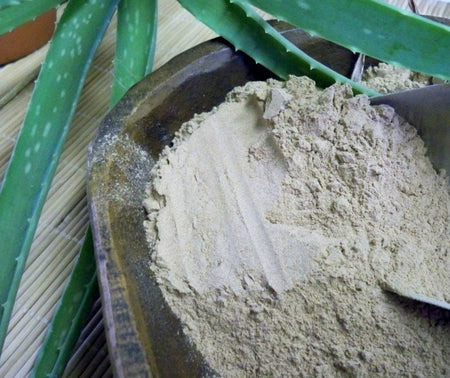
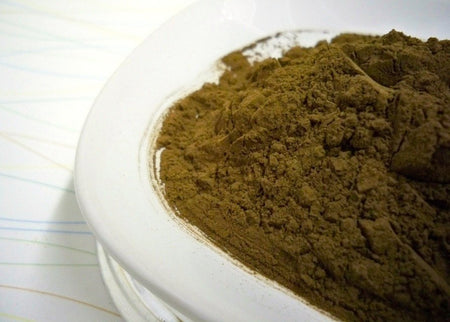
Shepherd’s purse herb contains a well-characterized array of phytochemicals including flavonoids (the primary bioactive compounds — quercetin, luteolin, diosmetin, hesperidin, rutin, kaempferol, apigenin, and naringenin), glucosinolates (sinigrin and related mustard-family compounds — characteristic of the Brassicaceae), isothiocyanates (formed from glucosinolates — including allyl isothiocyanate), sulforaphane (a potent isothiocyanate shared with broccoli), fumaric acid, malic acid, citric acid, tartaric acid, oxalic acid, bursic acid (a unique organic acid), acetylcholine (a neurotransmitter — present in the plant), choline, tyramine, histamine, tannins, saponins, polypeptides, vitamin C (ascorbic acid), vitamin A (beta-carotene), vitamin K, calcium, potassium, iron, magnesium, sodium, sulfur, and phosphorus. Available in Cut & Sifted and Powder forms.
Product Highlights
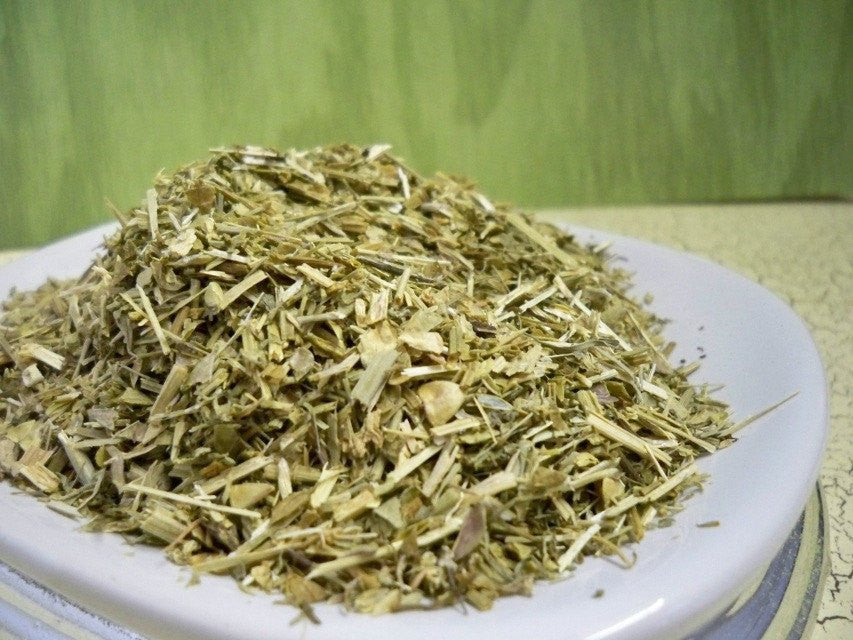
- Cut & sifted herb and powder of Capsella bursa-pastoris — Shepherd’s Purse
- One of the most widely distributed flowering plants on earth — naturalized on every continent except Antarctica
- Among the most ecologically successful plants known — completes its life cycle in 6 weeks, produces up to 40,000 seeds per plant
- The botanical name bursa-pastoris — “shepherd’s purse” in Latin — refers to the plant’s distinctive triangular seed pods, which resemble medieval leather purses
- One of the seven traditional Japanese nanakusa (七草) spring herbs — eaten on January 7th in the traditional new year celebration
- Family Brassicaceae (the mustard family) — contains glucosinolates, isothiocyanates, and sulforaphane shared with broccoli, cabbage, and mustard
- Rich in flavonoids — quercetin, luteolin, rutin, kaempferol, and apigenin
- Available in Cut & Sifted and Powder forms
How to Use
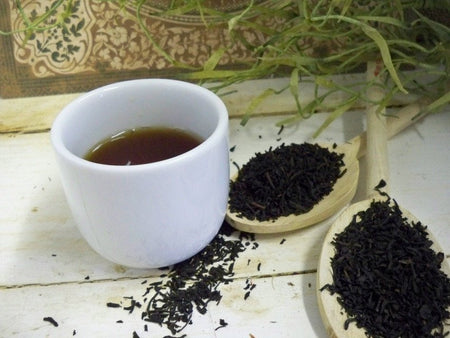
Herbal Tea (Infusion): Steep 1–2 teaspoons of cut & sifted shepherd’s purse in 8 oz of hot water for 10–15 minutes; strain. The flavor is mild, slightly bitter, and grassy with a faint mustard note. Culinary: Young leaves and shoots are edible — used in salads, soups, stir-fries, and rice dishes in Japanese (nazuna), Korean (naengi), and Chinese culinary traditions. The seeds can be ground and used as a mustard-like condiment. Herbal Blends: Combines well with yarrow, nettle, and raspberry leaf in traditional herbal tea blends. Powder: Encapsulate or blend into herbal formulas.
Available in Cut & Sifted and Powder (2 oz, 4 oz, 8 oz, 16 oz).
These statements have not been evaluated by the Food and Drug Administration. This product is not intended to diagnose, treat, cure, or prevent any disease. Consult your healthcare provider before use if you are pregnant, nursing, taking medications (particularly blood thinners or thyroid medications), or have a medical condition. Not recommended during pregnancy. Keep out of reach of children.
Related products