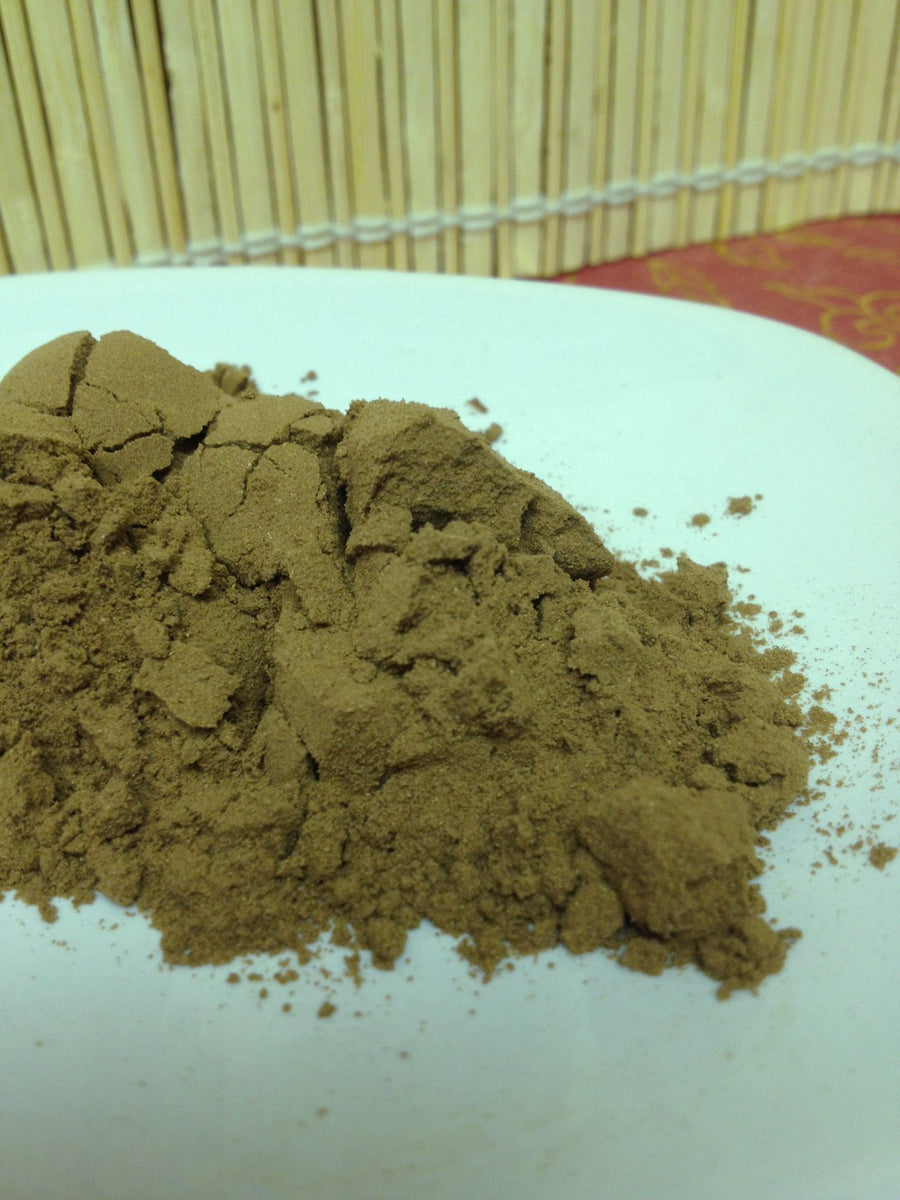
Description
Saw Palmetto Berries
(Serenoa repens)
Serenoa repens — Saw Palmetto — is a small, hardy fan palm of the family Arecaceae native to the coastal plains, pine flatwoods, and scrub habitats of the southeastern United States, from South Carolina and Georgia south through Florida and west to Louisiana and Texas. One of the most abundant and ecologically dominant plants of the Florida scrub ecosystem, saw palmetto forms vast, sprawling colonies of slow-growing, multi-stemmed palms — some individual clonal colonies are estimated to be over 700 years old, making saw palmetto one of the longest-lived plants in North America. The common name “Saw Palmetto” refers to the sharply serrated, saw-toothed petioles (leaf stems) that can inflict serious cuts on anyone who walks through a dense stand — a characteristic that has made saw palmetto scrub one of the most impenetrable plant communities in the American Southeast. The small, olive-sized berries — which ripen from green to deep blue-black in late summer and autumn — were one of the most important food sources for the Indigenous peoples of the southeastern United States, including the Seminole, Timucua, and Calusa nations, who consumed them as a staple food and used them extensively in traditional botanical practice. Saw palmetto berries were also a significant food source for the early European settlers of Florida, and they were one of the first North American botanicals to attract serious scientific attention in the late 19th century, when they were listed in the United States Pharmacopeia and National Formulary.
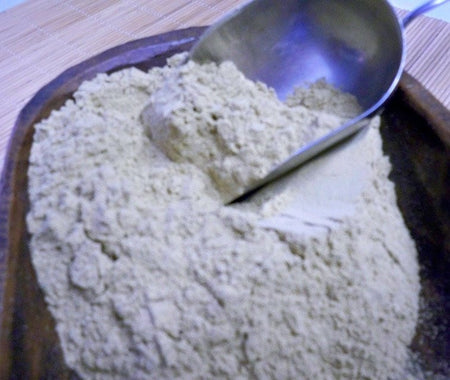
Saw palmetto berries are exceptionally rich in fatty acids and phytosterols — the primary bioactive constituents — including lauric acid, oleic acid, myristic acid, palmitic acid, linoleic acid, caprylic acid, capric acid (free fatty acids and as ethyl esters), beta-sitosterol (the primary phytosterol), campesterol, stigmasterol, cycloartenol, lupeol, lupenone, methyl esters of fatty acids, polysaccharides (including arabinogalactans and glucomannans), flavonoids (including isoquercitrin, kaempferol, and rutin), tannins, anthranilic acid, and volatile aromatic compounds (responsible for the characteristic pungent, slightly cheesy aroma of the fresh berry). Available in Whole Berry, Powder, and Cut & Sifted forms.
Product Highlights
- Whole berries and powder of Serenoa repens — Saw Palmetto
- Native to the coastal plains and scrub habitats of the southeastern United States — one of the most ecologically dominant plants of the Florida scrub
- Some individual clonal colonies estimated to be over 700 years old — one of the longest-lived plants in North America
- A staple food and important botanical of the Seminole, Timucua, Calusa, and other southeastern Indigenous nations
- Listed in the United States Pharmacopeia and National Formulary in the late 19th century — one of the most historically significant North American botanicals
- Exceptionally rich in free fatty acids (lauric, oleic, myristic), phytosterols (beta-sitosterol), and polysaccharides
- One of the most widely used and extensively studied botanical supplements in the modern Western herbal tradition
- Available in Whole Berry, Powder, and Cut & Sifted forms
How to Use
Herbal Tea (Decoction): Simmer 1–2 teaspoons of whole or cut & sifted saw palmetto berries in 8 oz of water for 15–20 minutes; strain. The flavor is distinctive — rich, slightly pungent, and earthy. Tincture: Use in alcohol or glycerin-based tincture preparations — alcohol extraction is effective for the lipophilic fatty acid and phytosterol constituents. Powder: Encapsulate or blend into herbal formulas. Smoothies: Blend powder into smoothies — the flavor is strong, so use in small amounts.
Available in Whole Berry, Cut & Sifted, and Powder (4 oz, 8 oz, 16 oz).
These statements have not been evaluated by the Food and Drug Administration. This product is not intended to diagnose, treat, cure, or prevent any disease. Consult your healthcare provider before use if you are pregnant, nursing, taking medications (particularly hormone-related medications or blood thinners), or have a medical condition. Not recommended during pregnancy or nursing. Keep out of reach of children.