



Description
Rosehip Tea
(Rosa canina — with Hibiscus & Clove)
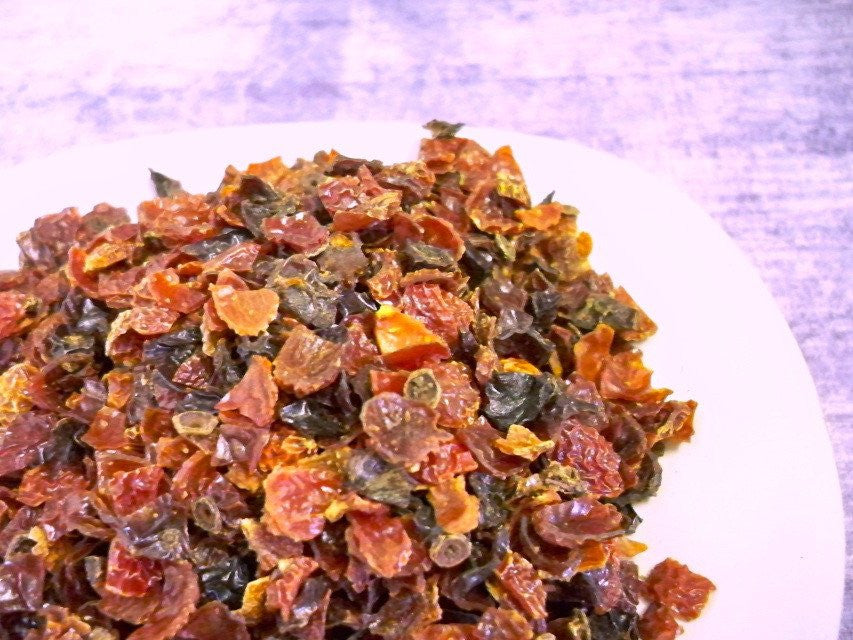
A warming, tart, deeply aromatic botanical blend built around three of the most celebrated botanicals in European and global herbal tradition — rosehip, hibiscus, and clove. Vivid ruby-red in the cup, with a bright, tart, fruity character from the rosehip and hibiscus and a warm, spiced depth from the clove. Naturally caffeine-free and naturally rich in vitamin C. Made with organic rosehips.
Ingredients: Organic Rosehips (Rosa canina), Hibiscus (Hibiscus sabdariffa), Clove (Syzygium aromaticum). Naturally caffeine-free.
Key Botanicals
- Rosehip (Rosa canina) — the fruit (hip) of the dog rose, a thorny shrub of the family Rosaceae native to Europe, northwest Africa, and western Asia, widely naturalized throughout the temperate world. Rosehips are one of the richest plant sources of vitamin C in the European botanical tradition — gram for gram, rosehips contain significantly more vitamin C than citrus fruits. The phytochemical profile of Rosa canina hips includes vitamin C (ascorbic acid — concentrated primarily in the flesh of the hip), beta-carotene (provitamin A), lycopene (the red carotenoid also found in tomatoes), lutein, zeaxanthin, quercetin, rutin, tiliroside (a flavonoid glycoside unique to the rose family), isoquercitrin, kaempferol, ellagic acid, gallic acid, caffeic acid, ferulic acid, malic acid, citric acid, pectin (rosehips are exceptionally high in pectin — traditionally used to make rose hip jelly), tannins, fatty acids (including gamma-linolenic acid / GLA in the seeds), tocopherols (vitamin E), calcium, potassium, magnesium, iron, phosphorus, and selenium. Rosehips have been consumed as a food and botanical in Europe since antiquity — during World War II, when citrus imports to Britain were severely restricted, the British government organized a national rosehip syrup program to maintain vitamin C intake in the civilian population.
- Hibiscus (Hibiscus sabdariffa) — the dried calyces of the roselle plant; responsible for the tea’s vivid ruby-red color and characteristic tart, cranberry-like flavor; rich in anthocyanins (delphinidin-3-sambubioside and cyanidin-3-sambubioside), hibiscus acid, citric acid, malic acid, quercetin, luteolin, and vitamin C
- Clove (Syzygium aromaticum) — the dried flower buds of the clove tree, native to the Maluku Islands (Spice Islands) of eastern Indonesia and one of the most prized spices in the history of global trade. Clove contains one of the highest concentrations of eugenol (typically 72–90% of the essential oil) of any botanical — the compound responsible for clove’s characteristic warm, intensely aromatic, slightly numbing character. The phytochemical profile also includes eugenol acetate, beta-caryophyllene, alpha-humulene, quercetin, kaempferol, rhamnetin, gallic acid, ellagic acid, oleanolic acid, ursolic acid, tannins (including gallotannins and ellagitannins), manganese (one of the richest dietary sources), vitamin K, iron, calcium, and magnesium. Clove has been traded across the Indian Ocean for over 4,000 years and was one of the most valuable commodities in the medieval spice trade.
How to Brew
Steep 1–2 teaspoons per 8 oz of water at 200–208°F for 5–7 minutes. The flavor is bright, tart, and fruity with a warm spiced finish from the clove — naturally tart enough to enjoy without sweetener, though a small amount of honey is a classic pairing. Iced: Brew double-strength, steep 7 minutes, strain, and pour over ice — the ruby color is beautiful cold. Blending: Pairs beautifully with cinnamon, ginger, and orange peel for a warming winter spice blend.
Caffeine-free. Keep out of reach of children. Store in a cool, dry place away from direct sunlight. Clove is potent — use as directed. Not for use during pregnancy without consulting a qualified healthcare provider.
These statements have not been evaluated by the Food and Drug Administration. This product is not intended to diagnose, treat, cure, or prevent any disease.