
Description
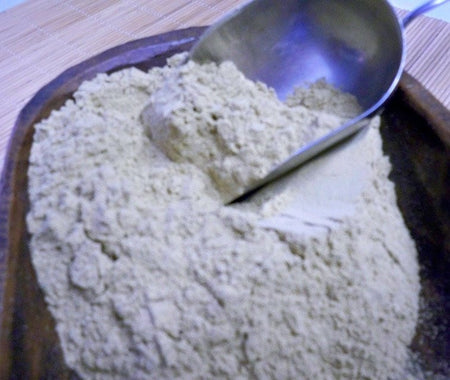
Rhodiola Root Powder
(Rhodiola rosea)
Rhodiola rosea — Roseroot, Golden Root, Arctic Root, or King’s Crown — is a remarkable succulent perennial of the family Crassulaceae native to the cold, high-altitude regions of the Arctic, sub-Arctic, and alpine zones of Europe, Asia, and North America, where it grows in rocky, mountainous terrain at elevations of up to 5,000 meters. One of the most botanically extraordinary plants in the Northern Hemisphere, Rhodiola rosea thrives in some of the harshest environments on earth — the frozen tundra of Siberia, the high peaks of the Scandinavian mountains, the alpine meadows of the Carpathians, and the rocky coastlines of Iceland and Greenland. The root, when freshly cut, emits a distinctive rose-like fragrance — the source of the species name rosea and the common name “Roseroot” — caused by the presence of phenylethanol and geraniol in the root’s essential oil. Rhodiola rosea has been used in the traditional botanical practices of Siberian, Scandinavian, and Arctic peoples for centuries: Viking warriors reportedly used it to enhance endurance, Siberian shamans used it as a tonic, and it was presented as a gift to Chinese emperors who sent expeditions to Siberia to obtain it. In the 20th century, Rhodiola rosea became one of the most intensively studied adaptogenic plants in Soviet and Russian scientific research, where it was investigated for decades as a performance-enhancing botanical for cosmonauts, athletes, and military personnel.
The root contains a distinctive and well-characterized array of phytochemicals including rosavins (rosavin, rosin, rosarin — phenylpropanoid glycosides unique to Rhodiola rosea and used as the primary quality marker for authentic rhodiola), salidroside (rhodioloside — a phenylethanol glycoside, the primary bioactive compound shared across Rhodiola species), tyrosol (the aglycone of salidroside), p-hydroxyphenethyl alcohol, flavonoids (rodiolin, rodionin, rodiosin, acetylrodalgin, tricin, kaempferol, quercetin, herbacetin), proanthocyanidins, gallic acid, chlorogenic acid, caffeic acid, monoterpenes (geraniol, 1,4-p-menthadien-7-ol — responsible for the rose fragrance), beta-sitosterol, daucosterol, and organic acids. Available in Powder form.
Product Highlights
- Powdered root of Rhodiola rosea — Roseroot / Golden Root / Arctic Root / King’s Crown
- Native to the high-altitude Arctic, sub-Arctic, and alpine zones of Europe, Asia, and North America
- One of the most intensively studied adaptogenic plants in Soviet, Russian, and modern Western scientific research
- Used by Viking warriors, Siberian shamans, and Chinese imperial courts — a botanical of extraordinary historical significance
- Standardized quality marker: rosavins (rosavin, rosin, rosarin) — phenylpropanoid glycosides unique to Rhodiola rosea
- Also rich in salidroside, tyrosol, herbacetin, kaempferol, and rose-fragrant monoterpenes
- Available in Powder form
How to Use
Herbal Tea (Decoction): Simmer ½–1 teaspoon of rhodiola root powder in 8 oz of water for 10–15 minutes; strain. The flavor is mildly bitter, slightly astringent, with a faint floral note. Tincture: Use in alcohol-based tincture preparations — alcohol extraction is effective for the rosavins and salidroside. Capsules: Encapsulate for convenient daily use. Smoothies: Blend into smoothies and tonic beverages. Herbal Blends: Combines well with ashwagandha, eleuthero, and schisandra in traditional adaptogenic herbal formulas.
Available in Powder (4 oz, 8 oz, 16 oz).
These statements have not been evaluated by the Food and Drug Administration. This product is not intended to diagnose, treat, cure, or prevent any disease. Consult your healthcare provider before use if you are pregnant, nursing, taking medications (particularly antidepressants, stimulants, or blood pressure medications), or have a medical condition. Not recommended for use with MAO inhibitors. Keep out of reach of children.
Related products