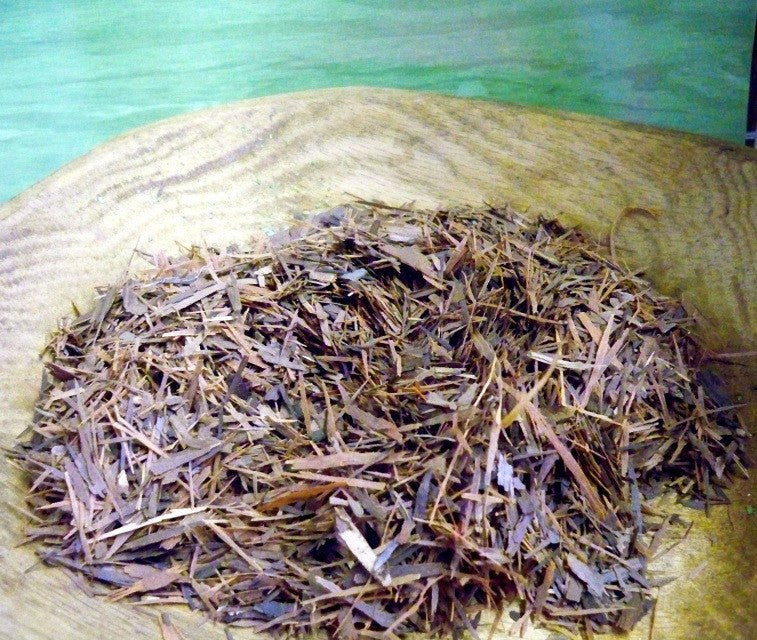
Description
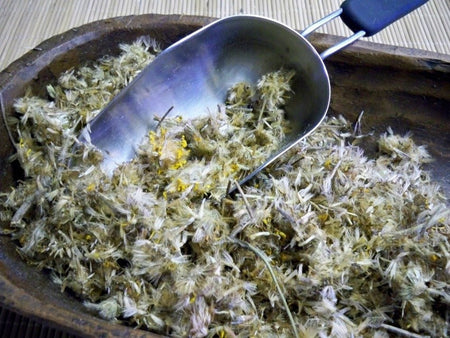
Pau d’Arco Bark
(Tabebuia impetiginosa)
Pau d’Arco — Tabebuia impetiginosa (also known as Handroanthus impetiginosus) — is a magnificent flowering tree of the Bignoniaceae family native to the tropical and subtropical forests of Central and South America, from Mexico south through the Amazon basin to Argentina. Known by many names — Pau d’Arco in Brazil, Lapacho in Argentina and Paraguay, Taheebo in Peru, and Ipe Roxo (Purple Ipe) across much of South America — this towering hardwood tree produces spectacular displays of deep rose-purple flowers and is one of the most celebrated and widely used medicinal trees in the traditional botanical practices of South American Indigenous peoples, including the Incas, the Callawaya healers of Bolivia, and numerous Amazonian nations, where it has been used for centuries. The inner bark — the shredded inner layer of the tree’s bark — is the part used in herbal preparations, and it has been a cornerstone of South American traditional herbalism for generations. Pau d’Arco entered the North American and European herbal market in the 1960s and 1970s and became one of the most widely discussed South American botanicals in Western herbalism.
The inner bark contains a distinctive and well-studied array of phytochemicals including lapachol (the primary naphthoquinone, first isolated in 1882), beta-lapachone and alpha-lapachone (related naphthoquinones), xyloidone, dehydro-alpha-lapachone, flavonoids (quercetin, kaempferol, luteolin), anthraquinones, coumarin (including lapachone derivatives), iridoids, saponins, tannins, and carnosol. Available in Cut & Sifted and Powder forms.
Product Highlights
- Cut & sifted and powdered inner bark of Tabebuia impetiginosa — Pau d’Arco / Lapacho / Taheebo
- One of the most celebrated and widely used medicinal trees in South American Indigenous botanical tradition
- Sourced directly from South America — the native habitat of this magnificent tropical hardwood
- Primary source of lapachol and beta-lapachone — the characteristic naphthoquinone compounds unique to Pau d’Arco
- Also rich in flavonoids, anthraquinones, iridoids, saponins, and tannins
- Traditionally prepared as Lapacho Tea — a rich, slightly bitter, earthy decoction
- Available in Cut & Sifted and Powder forms
How to Use
Lapacho Tea (Decoction): Simmer 1–2 teaspoons of cut & sifted Pau d’Arco bark in 8–10 oz of water for 20–30 minutes; strain. The flavor is earthy, slightly bitter, and woody — often enjoyed with honey. Cold Infusion: Prepare as a decoction, allow to cool, and serve over ice. Tincture: Use in alcohol-based tincture preparations. Powder: Encapsulate or blend into herbal formulas. Herbal Blends: Combines with cat’s claw, sangre de drago, and other South American botanicals in traditional Amazonian herbal formulas.
Available in Cut & Sifted (4 oz, 8 oz, 16 oz) and Powder (4 oz, 8 oz, 16 oz).
These statements have not been evaluated by the Food and Drug Administration. This product is not intended to diagnose, treat, cure, or prevent any disease. Consult your healthcare provider before use if you are pregnant, nursing, taking medications, or have a medical condition. Not recommended during pregnancy. Keep out of reach of children.
Related products