Description
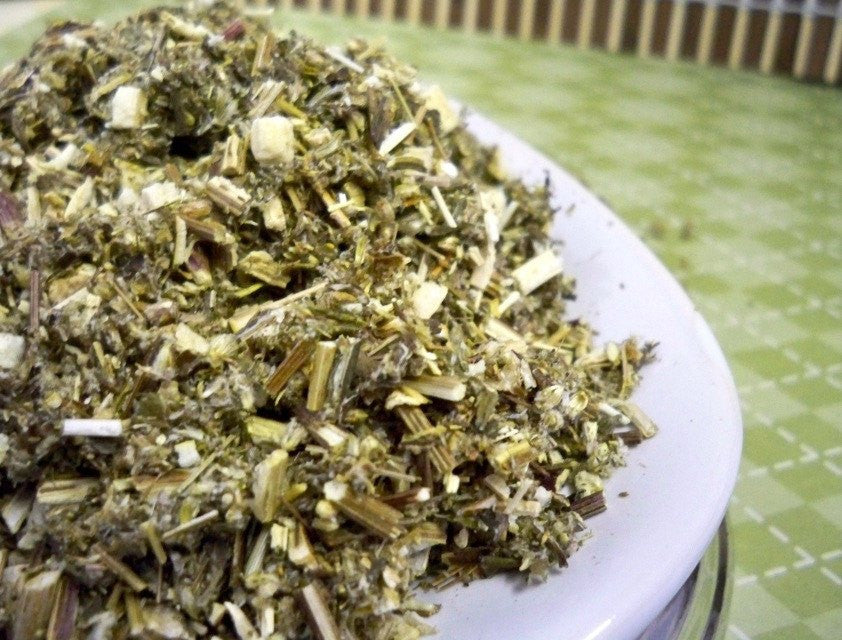
Mugwort — Cut & Sifted
(Artemisia vulgaris)
Mugwort is one of the most culturally and historically layered herbs in the world — a tall, aromatic perennial of the daisy family (Asteraceae) native to Europe, Asia, and North Africa, now naturalized across North America and much of the temperate world. Artemisia vulgaris takes its genus name from Artemis — the Greek goddess of the moon, the hunt, and wild places — a name shared by the entire Artemisia genus, which includes wormwood (A. absinthium), tarragon (A. dracunculus), and sagebrush (A. tridentata). The species name vulgaris simply means “common” — a nod to how abundantly mugwort grows wherever it establishes itself, colonizing roadsides, riverbanks, waste ground, and field edges with vigorous, spreading rhizomes.
Mugwort is one of the Nine Sacred Herbs of the Anglo-Saxons, listed first and most prominently in the Lacnunga — a 10th-century Old English manuscript of medical and magical texts — where it is called mucgwyrt and described as the “oldest of herbs” and “mighty against three and against thirty.” It was used throughout medieval Europe as a protective and magical herb — placed in shoes to prevent fatigue on long journeys (the Roman legions are said to have used it for this purpose), hung over doorways to ward off evil, and woven into garlands for the midsummer festival of St. John’s Eve. John Gerard described it extensively in his Herball (1597), and it appears in virtually every major European herbal from the medieval period onward.
In Traditional Chinese Medicine and Japanese Kampo, mugwort — known as àicǎo (艾草) in Chinese and yomogi (ヨモギ) in Japanese — is the herb used in moxibustion (jiǔ 灸), one of the foundational therapeutic techniques of East Asian medicine. Dried mugwort is compressed into moxa sticks or cones and burned near or on acupuncture points to warm and stimulate — a practice documented in Chinese medical texts for over 2,500 years and still widely practiced today. In Japan, yomogi is also a beloved culinary herb — used to make kusa mochi (草餅, green rice cakes) and yomogi udon, giving foods a distinctive earthy, slightly bitter, grassy flavor.
The herb contains a rich array of phytochemicals including thujone (a monoterpene ketone — the same compound found in wormwood and traditional absinthe, responsible for mugwort’s characteristic sharp, slightly bitter aroma), camphor, cineole (1,8-cineole / eucalyptol), borneol, linalool, beta-caryophyllene, germacrene D, flavonoids (quercetin, luteolin, apigenin, rutin), coumarins (umbelliferone, scopoletin), sesquiterpene lactones (artabsin, absinthin), tannins, chlorogenic acid, and polyacetylenes. The distinctive silvery-white undersides of the leaves are caused by dense, fine hairs (trichomes) that give the plant its characteristic appearance.
Product Highlights
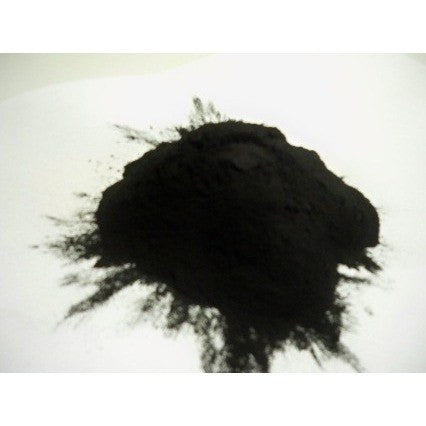
- Cut & sifted and powdered herb of Artemisia vulgaris — Mugwort / Felon Herb / Yomogi
- Named for Artemis, Greek goddess of the moon and hunt — the most sacred genus in European herbalism
- Listed first among the Nine Sacred Herbs of the Anglo-Saxons in the 10th-century Lacnunga
- The herb of moxibustion — used in Traditional Chinese Medicine for over 2,500 years
- A beloved culinary herb in Japan (yomogi) — used in kusa mochi and yomogi udon
- Rich in thujone, camphor, cineole, quercetin, luteolin, and sesquiterpene lactones
- Available in Cut & Sifted and Powder forms
How to Use
Dream Pillows & Sachets: Mugwort’s most beloved traditional use — fill small cloth sachets with dried mugwort and place near your pillow. The aromatic volatile oils are released slowly through the night. Smudge Bundles: Bundle dried mugwort stems and leaves and bind tightly — burns slowly with a pleasant, earthy, slightly sweet smoke. Loose Incense: Use as a loose incense on charcoal discs for ritual and aromatic use. Herbal Tea: Steep ½–1 teaspoon of cut mugwort in 8 oz of hot water for 5 minutes; strain. The flavor is earthy, slightly bitter, and aromatic — traditionally blended with peppermint or chamomile. Moxibustion: Compress dried mugwort powder into moxa sticks or cones for traditional moxibustion practice. Topical Infusions: Infuse in oil for use in salves, balms, and topical preparations. Culinary (Japanese tradition): Use fresh or dried yomogi in rice cakes, noodles, and tempura in the Japanese culinary tradition.
Available in Cut & Sifted (4 oz, 8 oz, 16 oz) and Powder (4 oz, 8 oz, 16 oz).
These statements have not been evaluated by the Food and Drug Administration. This product is not intended to diagnose, treat, cure, or prevent any disease. WARNING: Mugwort (Artemisia vulgaris) is a uterine stimulant and must NOT be used during pregnancy — it may cause uterine contractions and miscarriage. Do not use if you are pregnant or trying to conceive. Mugwort contains thujone — do not use in large amounts internally or for extended periods. Not for use while nursing. Not for use by persons with epilepsy or seizure disorders. Consult your healthcare provider before internal use, especially if you are taking medications or have a medical condition. Keep out of reach of children.