Description
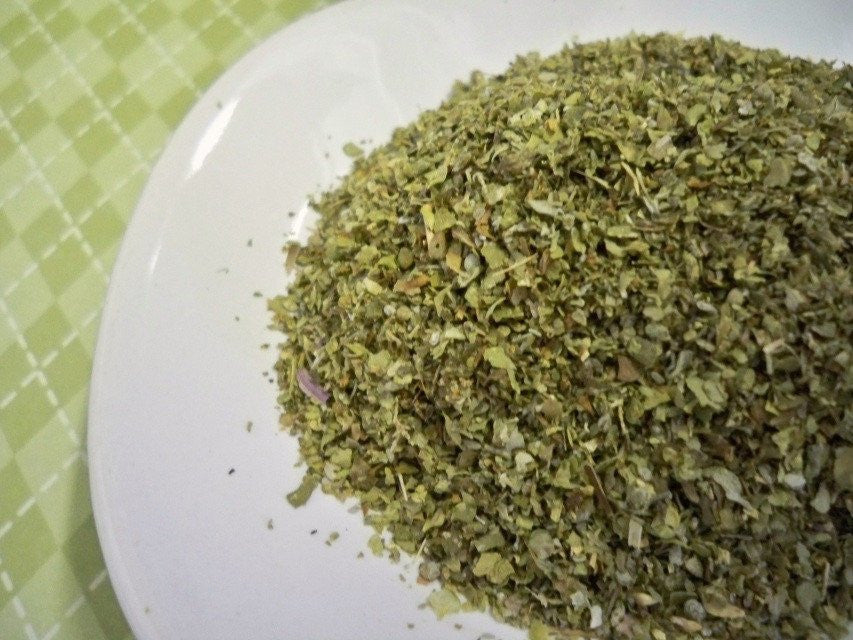
Marjoram Leaf — Cut & Sifted
(Origanum majorana)
Marjoram is one of the most beloved and historically significant culinary herbs of the Mediterranean world — a tender, aromatic perennial of the mint family (Lamiaceae) native to the Mediterranean basin, North Africa, and southwestern Asia, where it has been cultivated as a culinary and aromatic herb for over 3,000 years. Origanum majorana — Sweet Marjoram — is closely related to oregano (Origanum vulgare) and is frequently confused with it, but the two are distinctly different in flavor: marjoram is sweeter, more delicate, and more floral than oregano, with a warm, slightly citrusy, pine-like character and none of oregano’s pungent, peppery bite. Where oregano is bold and assertive, marjoram is gentle and nuanced — a distinction that matters enormously in the kitchen.
In Greek mythology, marjoram was said to have been created by Aphrodite, goddess of love, who grew it on Mount Olympus as a symbol of happiness. The Greeks called it amarakos and used it to crown newlyweds and adorn tombs — a herb of both joy and remembrance. The Romans adopted it enthusiastically, calling it majorana (from which the English name derives), and it became one of the most important culinary herbs of the Roman kitchen. Through the medieval period, marjoram was a staple of European monastery gardens and kitchen gardens alike, used to flavor meats, sausages, soups, and sauces throughout France, Germany, Italy, and the British Isles. It remains a cornerstone herb in German cuisine — where it is called Majoran and is the defining flavor of traditional German sausages, particularly Bratwurst and Blutwurst — and in French herbes de Provence and bouquet garni blends.
The dried leaves contain a rich array of aromatic compounds including sabinene hydrate (the primary flavor compound, responsible for marjoram’s characteristic warm, sweet, slightly citrusy character), terpinen-4-ol, gamma-terpinene, p-cymene, linalool, cis-sabinene hydrate, beta-caryophyllene, flavonoids (luteolin, apigenin, diosmetin), rosmarinic acid, ursolic acid, oleanolic acid, and tannins.
Product Highlights
- Cut & sifted leaf of Origanum majorana — Sweet Marjoram
- Sacred to Aphrodite in Greek mythology — a herb of love, happiness, and remembrance
- Sweeter, more delicate, and more floral than oregano — a distinct and nuanced culinary herb
- The defining flavor of traditional German sausages — a cornerstone of European cuisine
- A key ingredient in herbes de Provence, bouquet garni, and Italian seasoning blends
- Rich in sabinene hydrate, terpinen-4-ol, rosmarinic acid, luteolin, and ursolic acid
- Available in 4 oz, 8 oz, and 16 oz sizes
How to Use
Soups & Stews: Add marjoram to vegetable soups, bean soups, lentil stews, and minestrone — it pairs beautifully with tomatoes, carrots, and legumes. Meat & Poultry: A classic seasoning for chicken, pork, lamb, and veal — rub onto roasts or add to marinades. Sausages: The traditional flavoring for German bratwurst, Italian sausage, and British pork sausages. Eggs: Excellent in omelets, frittatas, and scrambled eggs — one of the best herbs for egg dishes. Vegetables: Toss with roasted root vegetables, zucchini, mushrooms, and green beans. Pasta & Pizza: Use in tomato sauces, pasta dishes, and as a pizza topping — a gentler, sweeter alternative to oregano. Herb Blends: A key component of herbes de Provence, bouquet garni, Italian seasoning, and poultry seasoning. Vinegars & Oils: Infuse in white wine vinegar or olive oil for a fragrant culinary condiment. Add Late: Unlike oregano, marjoram’s delicate flavor is best preserved by adding it near the end of cooking.
Available in Cut & Sifted (4 oz, 8 oz, 16 oz).
Related products