Description
Licorice Root
(Glycyrrhiza glabra)
Licorice root is one of the oldest and most universally used botanicals in human history — a plant whose sweet, distinctive flavor and aromatic qualities have made it a prized ingredient across virtually every major civilization for over 4,000 years. Glycyrrhiza glabra, a perennial legume of the pea family (Fabaceae) native to the Mediterranean, the Middle East, and Central Asia, takes its genus name from the Greek glykys (sweet) and rhiza (root) — “sweet root” — a name that perfectly captures its most distinctive characteristic. The root is naturally 30–50 times sweeter than sucrose, making it one of the sweetest substances found in nature.
Archaeological evidence of licorice root use dates to ancient Egypt — dried licorice root was found in the tomb of Tutankhamun (c. 1323 BCE), and it was used medicinally in ancient Mesopotamia, Greece, and Rome. The Roman legions carried licorice root on campaigns to sustain energy and manage thirst. In Traditional Chinese Medicine, licorice root — known as gān cǎo (甘草), “sweet herb” — is the single most frequently cited herb in the entire Chinese pharmacopoeia, appearing in more classical formulas than any other botanical, prized for its harmonizing properties and its ability to moderate the effects of other herbs in a formula. It is also a foundational ingredient in Ayurvedic medicine (where it is called yashtimadhu) and in traditional European herbal practice.
In the culinary world, licorice root is the original flavoring for licorice candy and licorice liqueurs — including the French Pastis, Italian Sambuca, Greek Ouzo, and Turkish Rakı — all of which derive their characteristic anise-licorice flavor from either licorice root or star anise. It is also used to flavor tobacco, chewing gum, soft drinks, and confections worldwide.
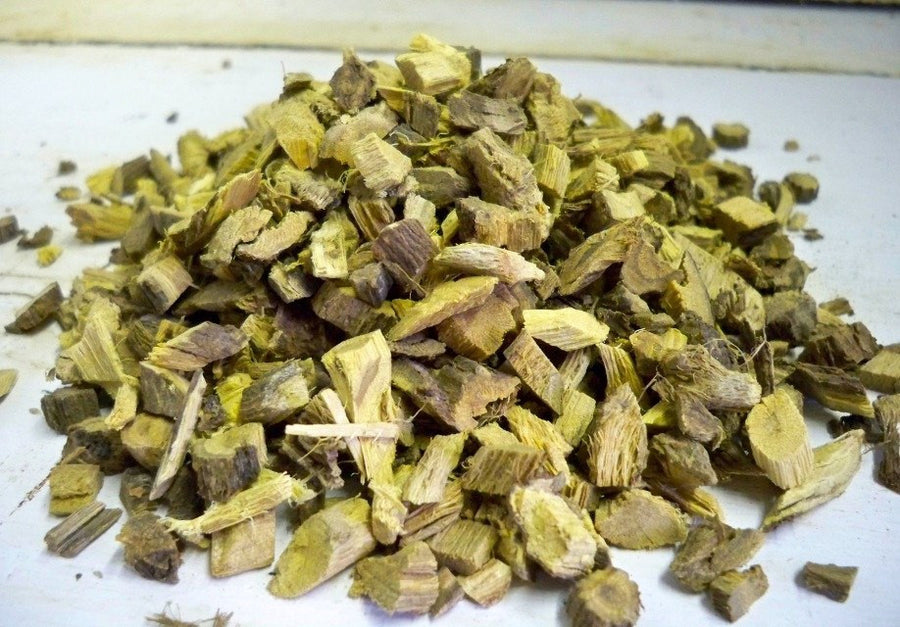
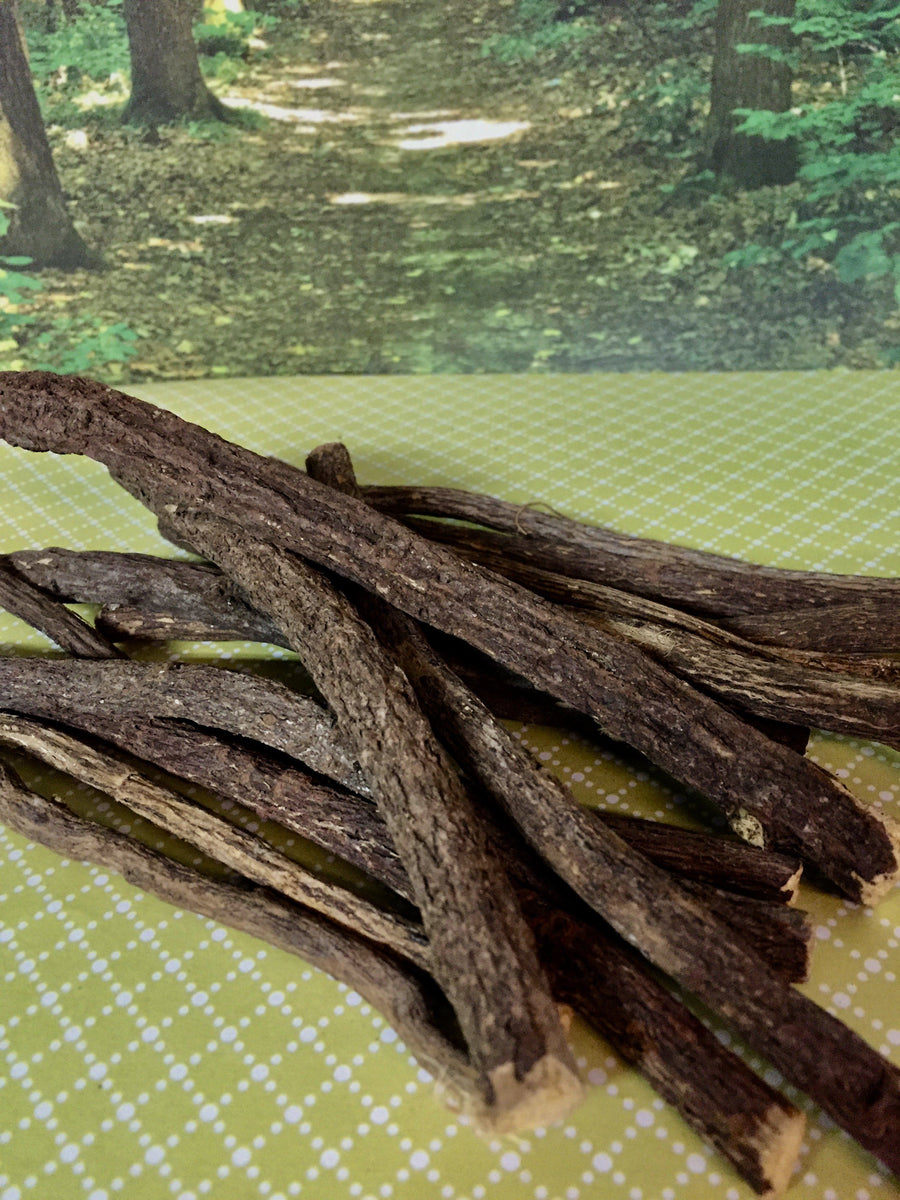
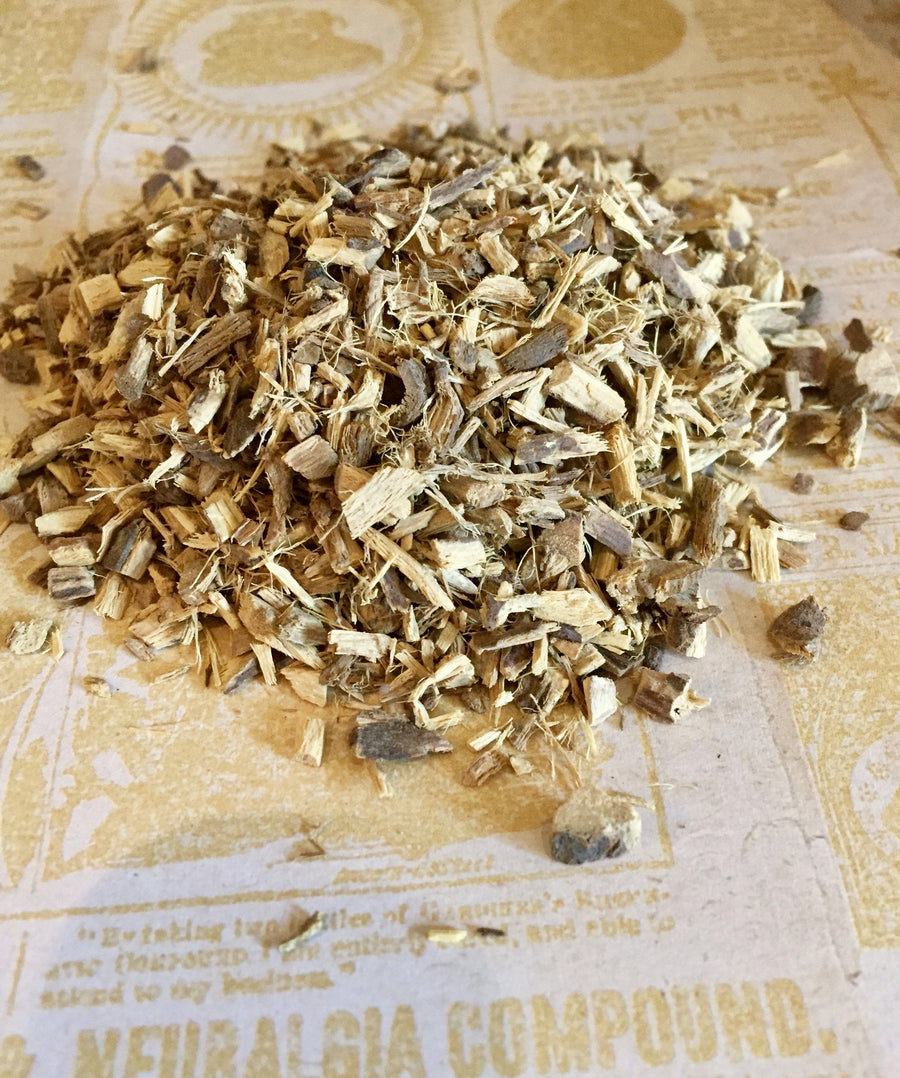
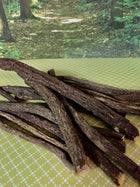
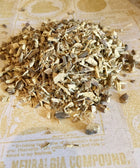
The root contains a remarkable array of phytochemicals including glycyrrhizin (a triterpenoid saponin responsible for the root’s intense sweetness — 30–50× sweeter than sugar), glycyrrhizinic acid, liquiritin, isoliquiritin, glabridin, licochalcone A, formononetin, hispaglabridin A and B, flavonoids (quercetin, kaempferol, apigenin), coumarins (umbelliferone, herniarin), polysaccharides, phytosterols, and essential oils. Our Licorice Root is available Cut & Sifted, as a Powder, and as 6-inch Root Sticks.
Product Highlights
- Cut & sifted, powdered, and whole root sticks of Glycyrrhiza glabra — Licorice Root / Gān Cǎo (甘草)
- One of the oldest botanicals in human history — found in Tutankhamun’s tomb (c. 1323 BCE)
- The most frequently cited herb in Traditional Chinese Medicine
- Naturally 30–50× sweeter than sugar — one of the sweetest substances in nature
- The original flavoring for Pastis, Sambuca, Ouzo, Rakı, and licorice candy
- Rich in glycyrrhizin, glabridin, licochalcone A, liquiritin, and flavonoids
- Available in Cut & Sifted, Powder, and 6-inch Root Sticks
How to Use
Herbal Tea / Decoction: Simmer 1 teaspoon of cut & sifted licorice root or one root stick in 2 cups of water for 15–20 minutes; strain before use. The flavor is intensely sweet, smooth, and warming — excellent as a natural sweetener for bitter herbal blends. Tea Blending: A small amount of licorice root powder or c/s adds natural sweetness to herbal tea blends without added sugar — pairs beautifully with peppermint, ginger, and chamomile. Culinary: Use licorice root powder in spice rubs, marinades, and sauces — a classic ingredient in Chinese five-spice powder and braised meat dishes. Confectionery: The original ingredient in traditional licorice candy and confections. Chewing Sticks: Whole 6-inch root sticks can be chewed directly — a traditional practice across the Middle East, South Asia, and North Africa. Tincture: Use in alcohol-based tincture preparations. Herbal Formulas: A traditional harmonizing herb in TCM formulas — used to moderate and balance other botanicals.
Available in Cut & Sifted (4 oz, 8 oz, 16 oz), Powder (4 oz, 8 oz, 16 oz), and 6-inch Root Sticks (16 oz).
These statements have not been evaluated by the Food and Drug Administration. This product is not intended to diagnose, treat, cure, or prevent any disease. Licorice root contains glycyrrhizin, which may cause serious adverse effects including elevated blood pressure, fluid retention, and low potassium levels with excessive or prolonged use. Do not use licorice root in large amounts or for extended periods. Not recommended for persons with high blood pressure, heart disease, kidney disease, liver disease, or hormonal conditions. Do not use if pregnant or nursing. Consult your healthcare provider before use, especially if you are taking medications. Keep out of reach of children.