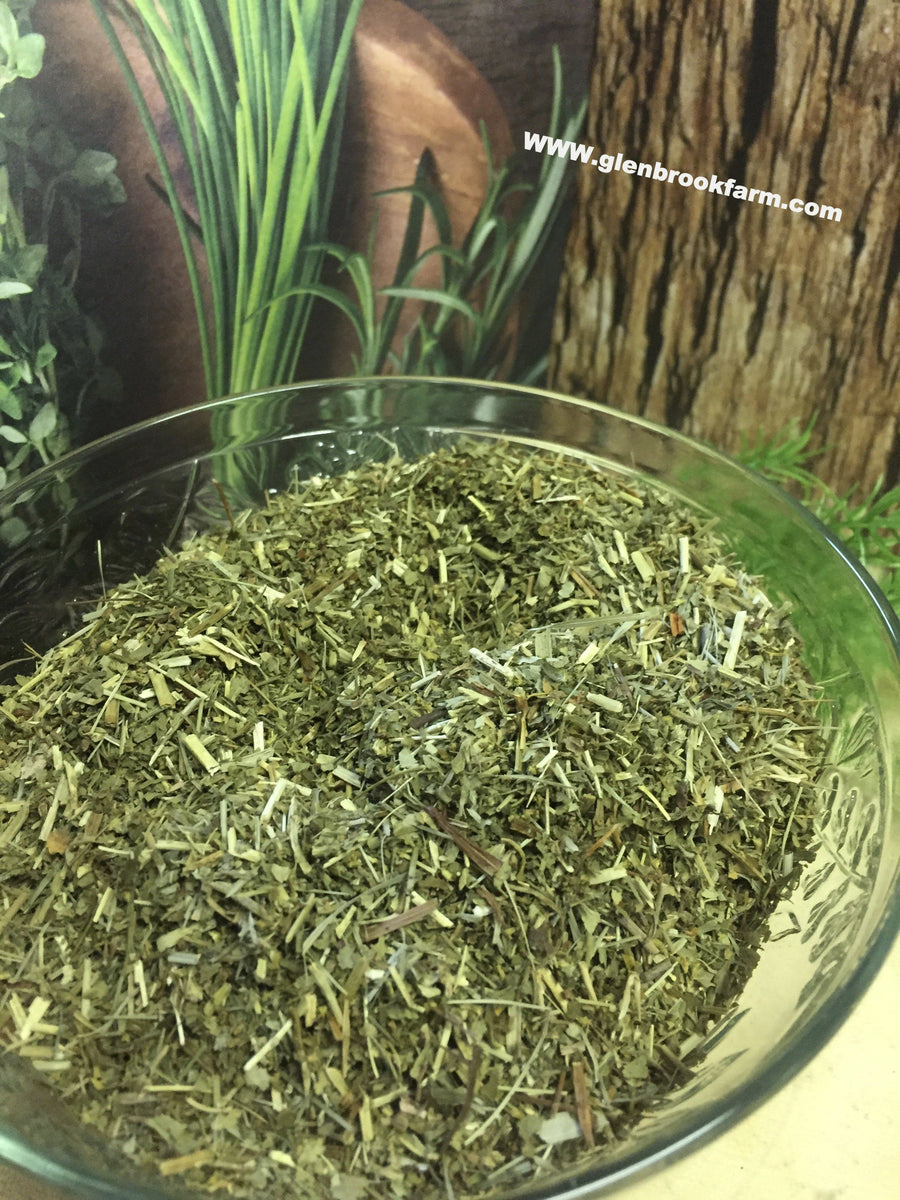
Description
Lady’s Mantle
(Alchemilla vulgaris)
Lady’s Mantle is one of the most poetically named herbs in the Western tradition — and one whose very botanical name carries a whisper of magic. Alchemilla vulgaris, a low-growing perennial of the rose family (Rosaceae) native to Europe and western Asia and naturalized across temperate regions worldwide, takes its genus name from the Arabic al-kīmiyā — alchemy — because medieval alchemists were captivated by the perfect, glistening droplets of water that collect in the pleated, fan-shaped leaves after rain or morning dew. These silvery beads, held in the leaf’s natural cup like liquid mercury, were believed to be the purest water on Earth and were collected for use in alchemical experiments and magical preparations. The common name “Lady’s Mantle” refers to the Virgin Mary, whose cloak the scalloped, pleated leaves were said to resemble — a name that reflects the herb’s deep association with women and the feminine throughout European folk tradition.
Lady’s Mantle has been cultivated in monastery and cottage gardens across Europe for centuries, appearing in the herbals of Hildegard von Bingen (12th century), Leonhart Fuchs, and John Gerard, who praised it as a woman’s herb of great virtue. In the language of flowers — the Victorian floriography tradition — Lady’s Mantle symbolizes comfort and protection. Beyond its folklore, the plant is also a beloved ornamental garden plant, prized for its soft, velvety, pleated leaves and its frothy sprays of tiny chartreuse-yellow flowers that bloom from late spring through summer. Today it is widely used in skincare formulations — lotions, creams, and toners — for its astringent and toning properties.
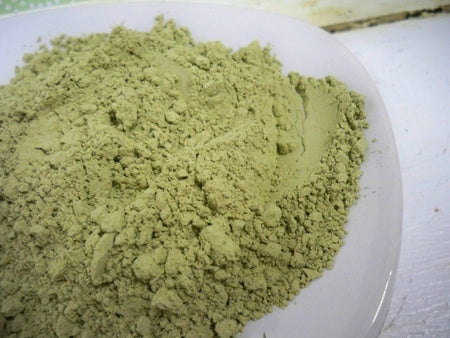
The herb contains a rich array of phytochemicals including tannins (ellagitannins and gallotannins — responsible for its pronounced astringency), salicylic acid, phytosterols, flavonoids (quercetin, kaempferol, luteolin), phenolic acids (ellagic acid, gallic acid), vitamin C, bitter compounds, and minerals. Our Lady’s Mantle is available Cut & Sifted.
Product Highlights
- Cut & sifted aerial herb of Alchemilla vulgaris — Lady’s Mantle
- Named for alchemy — medieval alchemists collected its dewdrops for magical preparations
- A beloved women’s herb in European folk tradition since at least the 12th century
- Referenced in the herbals of Hildegard von Bingen and John Gerard
- Rich in ellagitannins, salicylic acid, quercetin, ellagic acid, and vitamin C
- Widely used in skincare — lotions, creams, and toners
- Available in 4 oz, 8 oz, and 16 oz sizes
How to Use
Herbal Tea: Steep 1–2 teaspoons of cut & sifted Lady’s Mantle in 8 oz of hot water for 10–15 minutes; strain before use. The flavor is mildly astringent and pleasantly herbal. Skincare / Facial Toner: Brew a strong tea (2 tablespoons per cup), cool completely, and apply to skin as a natural astringent toner. Herbal Bath: Add a large handful to a muslin bag and hang under the bath faucet for a botanical soak. Tincture: Use in alcohol or glycerin-based tincture preparations. Blended Formulas: Traditionally combined with other women’s herbs in European herbal formulations. Garden: Lady’s Mantle is a beautiful ornamental — the pleated leaves and chartreuse flowers are stunning in borders and cottage gardens.
Available in Cut & Sifted (4 oz, 8 oz, 16 oz).
These statements have not been evaluated by the Food and Drug Administration. This product is not intended to diagnose, treat, cure, or prevent any disease. Consult your healthcare provider before use, especially if you are pregnant, nursing, taking medications, or have a medical condition. Keep out of reach of children.
Related products