

Description
English Blueberry Tea
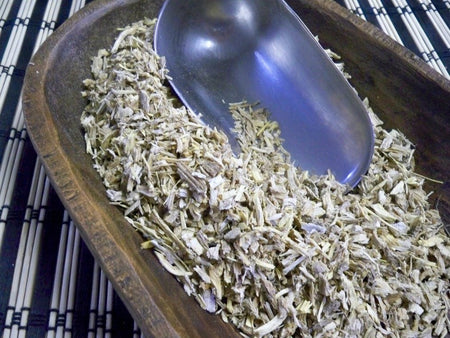
A full-flavored, naturally caffeine-free fruit and botanical blend built around the rich, deep character of three blueberry-family botanicals — American blueberries, European bilberries, and elderberries — brightened with hibiscus petals and rounded with apple, currant, and cornflower. Vivid, fruity, and naturally tart with well-defined blueberry highlights — exceptional both hot and iced.
Ingredients: Hibiscus Petals, Apple Pieces, Elderberry, Currant Pieces, European Blueberries (Vaccinium myrtillus — Bilberry), Cornflower Petals, American Blueberries (Vaccinium corymbosum), Natural Flavors (organic compliant).
Key Botanicals
- American Blueberry (Vaccinium corymbosum) — the highbush blueberry native to eastern North America; one of the most anthocyanin-rich fruits in the North American diet, with its characteristic deep blue-purple color produced by anthocyanins (primarily delphinidin, cyanidin, petunidin, peonidin, and malvidin glycosides), along with pterostilbene, resveratrol, quercetin, chlorogenic acid, caffeic acid, vitamin C, vitamin K, manganese, and dietary fiber
- European Blueberry / Bilberry (Vaccinium myrtillus) — the wild bilberry of European forests and heathlands, smaller and more intensely flavored than the American highbush blueberry; contains an even higher concentration of anthocyanins than its American cousin, along with myrtillin (the characteristic anthocyanin of bilberry), quercetin, catechins, tannins, caffeic acid, and vitamin C. Bilberry has been used in European botanical tradition since the Middle Ages.
- Elderberry (Sambucus nigra) — the dark purple berries of the European elder tree, one of the most widely used botanical berries in European herbal tradition; rich in anthocyanins (primarily cyanidin-3-glucoside and cyanidin-3-sambubioside), quercetin, rutin, kaempferol, chlorogenic acid, vitamin C, and dietary fiber
- Hibiscus Petals (Hibiscus sabdariffa) — the dried calyces of the roselle plant, native to West Africa and widely cultivated throughout the tropics; responsible for the tea’s vivid ruby-red color and characteristic tart, cranberry-like flavor; rich in anthocyanins (primarily delphinidin-3-sambubioside and cyanidin-3-sambubioside), hibiscus acid, citric acid, malic acid, tartaric acid, quercetin, luteolin, vitamin C, and calcium
- Cornflower Petals (Centaurea cyanus) — the brilliant blue petals of the bachelor’s button, native to Europe; used primarily as a visual botanical in tea blends, contributing a striking blue color contrast against the deep red of the hibiscus and purple of the berries
- Currant Pieces (Ribes nigrum / Ribes rubrum) — black and red currant pieces add depth and a pleasantly tart berry character; black currant is one of the richest European sources of vitamin C and anthocyanins
How to Brew
Hot: Steep 1–2 teaspoons per 8 oz of water at 200–208°F for 5–7 minutes. The flavor is vivid, fruity, and naturally tart — a small pinch of raw cane sugar or honey beautifully accentuates the natural berry flavors and brings out the subtle sweetness of the dried fruit pieces. Iced: This tea is exceptional iced — brew double-strength (2 teaspoons per 8 oz), steep 6 minutes, strain, and pour over ice. The deep ruby color and bright berry flavor are stunning cold. For Children: A naturally caffeine-free, fruit-forward tea that is a wonderful introduction to herbal teas for children — serve lightly sweetened and well-chilled.
Caffeine-free. Keep out of reach of children. Store in a cool, dry place away from direct sunlight.
These statements have not been evaluated by the Food and Drug Administration. This product is not intended to diagnose, treat, cure, or prevent any disease.
Related products